

For the past several months, the entertainment industry has watched a chaotic dismantling of Warner Bros. Discovery as the conglomerate looked to offload the majority of its assets. This fire sale ignited a heated bidding war that drew in nearly every major player in Hollywood and Silicon Valley, with Paramount Skydance, Comcast, and Apple all aggressively vying for the prize. However, the dust has finally settled, and a clear victor has emerged. Netflix has officially entered into exclusive negotiations with Warner Bros. Discovery, signaling the end of the auction. Unless a regulatory disaster or a wildly unexpected pivot occurs, Netflix will own DC Studios within the next few years, a move that could completely alter the trajectory of the shared universe currently being built by James Gunn and Peter Safran.
Netflix secured the winning position with an aggressive offer of $30 per share, a bid that reportedly includes an 85% cash component. The deal is structured with a massive $5 billion breakup fee, a clear signal that both parties are committed to seeing this through despite the inevitable antitrust hurdles. The next steps involve a rigorous review by the Department of Justice and a final shareholder vote, a process that experts estimate will take between 12 to 18 months to finalize. While Paramount has already voiced legal objections regarding the fairness of the bidding process, the exclusive nature of these current talks suggests that the Warner board is fully committed to the Netflix acquisition.
What’s the Potential Downside of Netflix Owning DC?
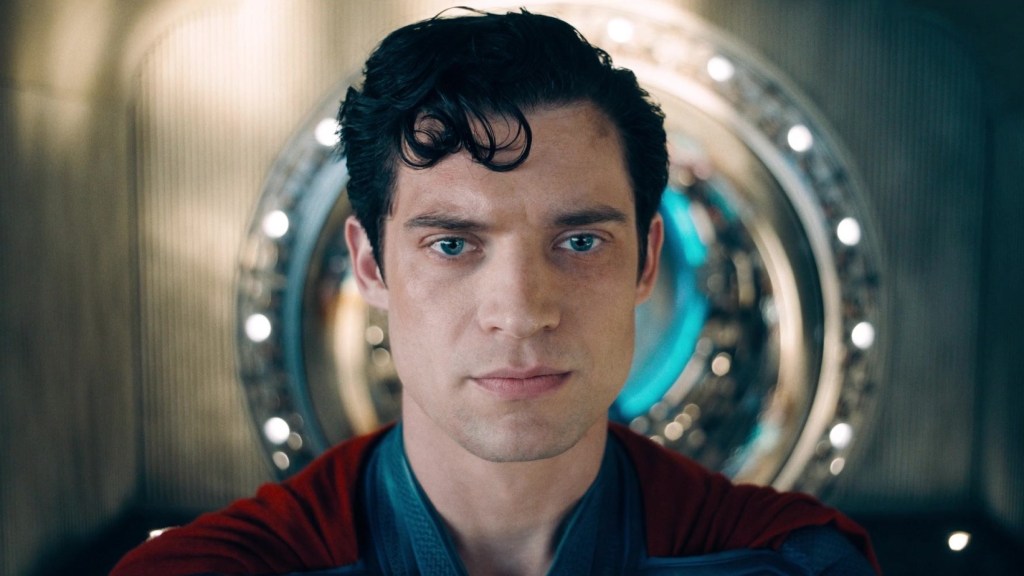
The primary anxiety surrounding this acquisition is Netflix’s historical aversion to traditional theatrical releases. For years, the streaming giant has prioritized its subscriber base above all else, typically using limited theatrical runs solely to qualify prestige films for Academy Awards. This strategy clashes directly with the current success of DC Studios. James Gunn’s Superman proved earlier this year that the brand is a theatrical powerhouse, and removing future DC blockbusters from the cinema circuit would be a devastating blow to exhibitors and fans alike. The idea of a Justice League movie premiering directly to a living room television is a difficult pill for many to swallow, especially after the box office resurgence the studio has just enjoyed.
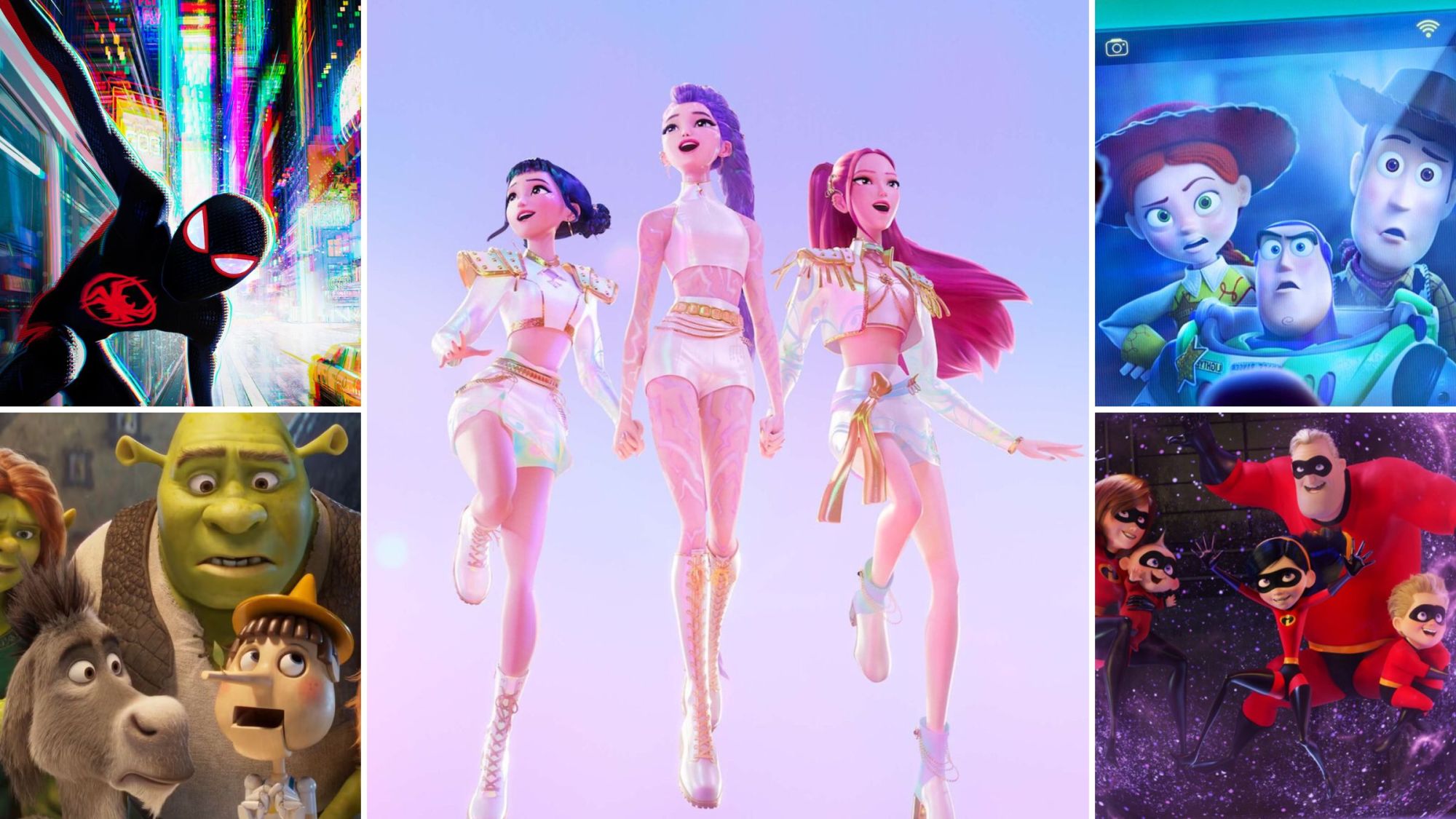
However, there is evidence that Netflix is already evolving its strategy, potentially making this merger the perfect catalyst for a new distribution model. The streamer has been experimenting with theatrical events more aggressively in 2025. The animated hit KPop Demon Hunters received a special sing-along theatrical version in August after exploding on the platform, pulling in impressive numbers that proved Netflix subscribers are willing to leave their homes for a communal experience. Furthermore, the company is set to release the final episode of Stranger Things in over 500 theaters this New Year’s Eve.
The Warner acquisition gives Netflix something it has never had: a massive, pre-existing global distribution infrastructure. By acquiring Warner Bros., Netflix isn’t just buying IP like Barbie and Harry Potter; it is buying the machinery to release them properly. Netflix may use this merger to create a hybrid model, keeping massive spectacles like DC films in theaters while bolstering its streaming library with other content. In any case, the current DC slate remains locked in. Fans can rest easy knowing that Supergirl, the horror-tinged Clayface, and The Batman Part II are safe on the release calendar and will arrive in theaters exactly as planned.
Netflix is expected to close the deal by late 2026.
Do you think Netflix will keep DC movies in theaters? Leave a comment below and join the conversation now in the ComicBook Forum!