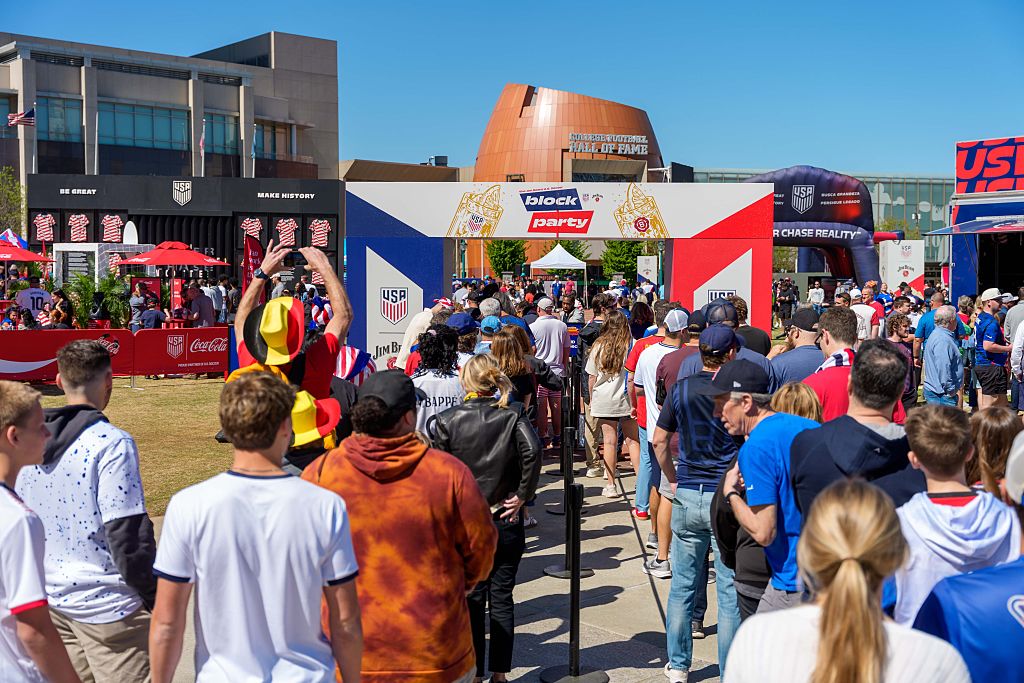


Super Bowl Sunday has evolved into far more than a championship football game. It has become a shared cultural checkpoint where sports, entertainment, food, fashion, technology, advertising, and social behavior collide in one massive, nationally synchronized experience. For one day each year, millions of people — including those who never watch football — pause, gather, and engage with the same event in wildly different ways, proving the Super Bowl’s significance extends far beyond the final score.
The Super Bowl as an American Holiday
Super Bowl Sunday functions like an unofficial American holiday, commanding attention in a way that mirrors Thanksgiving or the Fourth of July. It influences how people plan their weekends, how businesses prepare their operations, and how media outlets structure coverage. Even without federal recognition, the day carries emotional and cultural weight that few events can rival. Homes become gathering places, bars fill hours before kickoff, and cities feel a noticeable shift in energy as the event approaches.
What separates the Super Bowl from other sporting events is its universality. People who cannot name the teams still know when the game is happening. Workplaces anticipate late arrivals on Monday, schools discuss it casually, and families plan meals and seating arrangements days in advance. The Super Bowl has become a shared pause in the national rhythm, where attention aligns across geography, age, and personal interests.
The Build-Up Culture Before Kickoff
The Super Bowl experience does not begin with kickoff; it unfolds over weeks of anticipation. Media coverage intensifies as storylines are replayed endlessly across television, podcasts, social media platforms, and online forums. Analysts debate strategies, legacies, and pressure narratives, while casual fans absorb the atmosphere without needing deep knowledge of the sport itself.
This build-up fuels social participation. Betting pools, friendly wagers, prediction threads, and group chats become conversation starters rather than financial pursuits. Participation becomes about inclusion — having a reason to care, comment, and react. The anticipation itself becomes entertainment, sustaining engagement long before the first snap and ensuring the Super Bowl dominates cultural attention well beyond a single evening.
Halftime Shows & Celebrity Culture
The halftime show has become one of the most powerful entertainment platforms in the world. Performances by Beyoncé, Rihanna, and Shakira alongside Jennifer Lopez elevated halftime into an event that rivals major music award shows in viewership and influence. These performances draw millions of viewers who tune in exclusively for the spectacle, regardless of their interest in football.
Beyond music, halftime shows function as cultural moments that shape conversation for weeks. They launch fashion trends, drive streaming spikes, and sometimes introduce subtle political or social commentary that ripples across global media. Artists treat the stage as a defining career moment, knowing the audience spans generations, countries, and cultural backgrounds, all watching simultaneously.
Commercials as Must-Watch Entertainment
The Super Bowl is the only event where advertising is not just tolerated but actively anticipated. Brands invest millions of dollars to secure airtime and produce commercials designed as short films rather than traditional ads. These spots aim to entertain, surprise, and emotionally resonate, often featuring celebrities, cinematic storytelling, or humor crafted specifically for social sharing.
Many commercials outlive the game itself. They are replayed online, ranked by critics, dissected by audiences, and referenced in pop culture long after the final whistle. In some years, advertisements generate more discussion than the game’s outcome, highlighting the Super Bowl’s rare ability to turn marketing into mainstream entertainment.
Food as a Super Bowl Tradition
Food is inseparable from the Super Bowl experience. Wings, nachos, chili, sliders, and dips form a culinary category entirely associated with game day. Planning the menu becomes a ritual, whether through home cooking, catering, or coordinated delivery orders designed to arrive before kickoff.
This shared food culture reinforces the Super Bowl’s social nature. Even guests with minimal interest in football participate through eating, contributing dishes, and discussing favorites. Restaurants and delivery platforms respond accordingly, offering Super Bowl-specific menus that acknowledge food is not a side element but a core pillar of how the day is celebrated.
Fashion, Jerseys, and Visual Identity
Super Bowl Sunday has its own visual language. Jerseys dominate gatherings, but the spectrum extends to themed loungewear, retro apparel, face paint, and novelty accessories. Clothing becomes a declaration of loyalty, nostalgia, or humor, allowing people to participate without saying a word.
Even pets often appear in team jerseys, filling social media feeds with playful images that reflect how deeply the event penetrates everyday life. Fashion on Super Bowl Sunday is less about trends and more about signaling belonging, making style another accessible entry point into the celebration.
Hosting, Decorating, and Social Rituals
Hosting a Super Bowl gathering has become a creative endeavor. Homes are rearranged for optimal viewing, decorated with team colors or themed accents, and stocked with food and drinks designed for long stretches of watching. Hosting is as much about atmosphere as hospitality.
These gatherings reinforce the Super Bowl’s identity as a communal experience. Friends, families, and coworkers gather not just to watch a game, but to share reactions, traditions, and rituals that repeat year after year. The environment becomes part of the memory, often more than the game itself.
Digital Fan Engagement and Second Screens
Modern Super Bowl viewing rarely happens on a single screen. Phones and tablets remain active with live reactions, fantasy football recaps, social media commentary, and group chats that mirror the broadcast in real time. Digital engagement keeps viewers involved during commercial breaks, halftime, and even slow moments of gameplay.
Tools like fantasy league trackers, pick ’em apps, and even a Fanatics Sportsbook promo code give fans more ways to feel part of the action — even if their team didn’t make the playoffs. Platforms such as Fanatics Sportsbook integrate predictions, interaction, and entertainment into the experience, expanding participation beyond passive watching.
The Super Bowl Across Generations
The Super Bowl succeeds across age groups because it offers different points of entry. Kids often watch for halftime performances, celebrity appearances, or commercials, while older generations connect through long-standing team loyalties and family traditions built over decades.
This multi-generational appeal is rare. Few events manage to entertain children, parents, and grandparents simultaneously without fragmenting attention. The Super Bowl becomes a shared reference point, bridging age gaps through collective experience rather than niche interest.
Global Reach and International Viewership
Although rooted in American football, the Super Bowl has become a global event. International broadcasts, streaming accessibility, and worldwide marketing efforts allow viewers across continents to engage with the spectacle. For many international fans, the Super Bowl serves as their first exposure to the NFL.
The league leverages this moment to expand global fandom, using entertainment, celebrity involvement, and cultural storytelling to attract audiences unfamiliar with the sport’s technical aspects. The Super Bowl’s format makes it uniquely accessible on a global scale.
Why the Super Bowl Transcends the Score
When the game ends, the Super Bowl continues. Conversations shift to commercials, halftime performances, outfits, food spreads, and online reactions that dominate social feeds and media coverage. The final score becomes only one piece of a much larger narrative.
Super Bowl Sunday endures because it reflects how people connect today — through shared screens, shared spaces, and shared moments that blend sport, culture, and entertainment into a single collective experience. That is why the Super Bowl is bigger than the game itself.