
Ernesto S. Ruscio/Getty Images
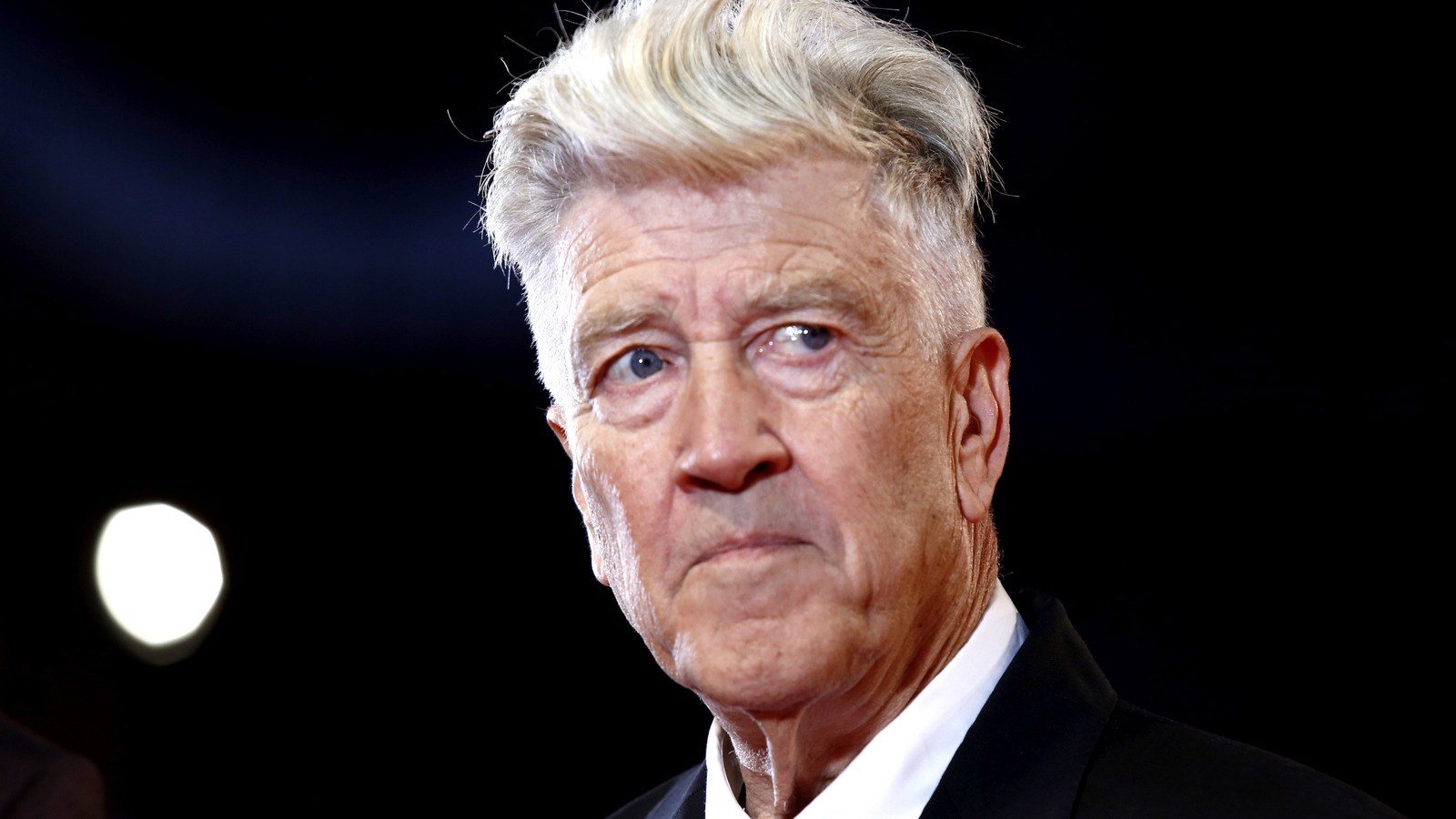
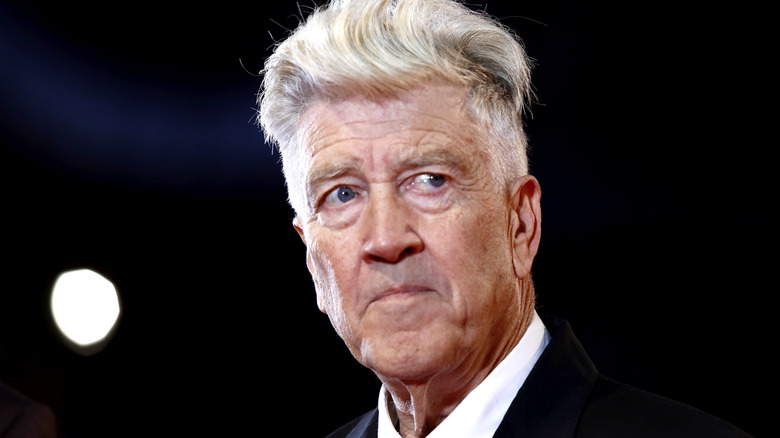
“Mulholland Drive” is arguably David Lynch’s magnum opus. A surreal meditation on the nature of identity and belonging amidst the depravity of Hollywood, the film premiered at the Cannes Film Festival in 2001, winning Lynch the best director award and an Academy Award nomination. “Mulholland Drive’s” stature has only grown in the ensuing years, earning the No. 8 spot in the 2022 Sight and Sound Greatest Films of All Time poll. After the 2025 death of Lynch, whom Steven Spielberg called a “singular, visionary dreamer,” the New York Times ranked it No. 2 on its list of The 100 Best Movies of the 21st Century. However, the film’s journey to the screen is just as long and bewildering as the film itself because it was originally conceived as a TV series for ABC.
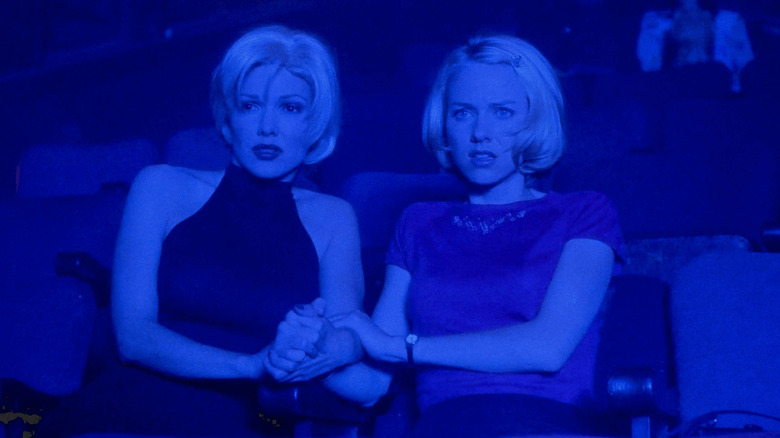
In the wake of Lynch’s groundbreaking “Twin Peaks,” which boasts one of the greatest TV pilot episodes of all time, ABC bought the pitch for the director’s new concept set in the heart of Hollywood. The provocative series would follow “Rita,” a gorgeous brunette who wakes up with amnesia, a purse containing a ton of cash, and a mysterious blue key. She joins forces with a naive blonde named Betty, and the two try to uncover Rita’s true identity. Meanwhile, forces of evil swirl around them, pulling the strings to malevolent ends.
ABC bought the pitch and put up $4.5 million for a two-hour pilot. Disney’s Touchstone Television chipped in another $2.5 million, giving Lynch an astronomical $7 million — with the caveat that he shoot additional footage for a “closed ending” for a theatrical version to play in Europe. Lynch grudgingly accepted these terms, but as the dallies started rolling in, ABC became concerned about Lynch’s flights of fancy, and that’s when the problems started to pile up.
Painful cuts
Universal Pictures
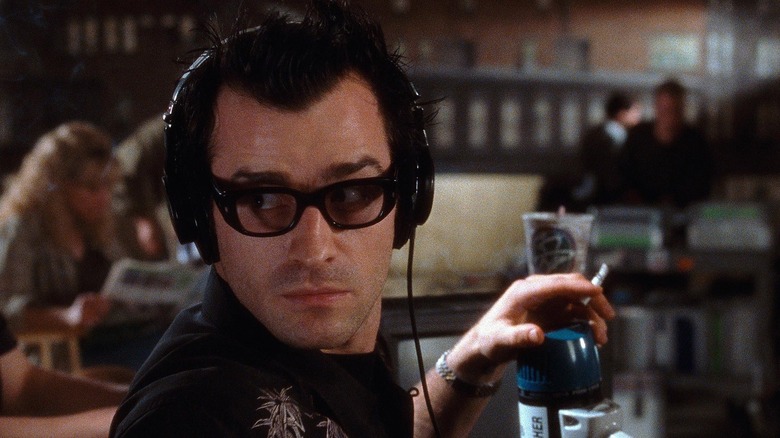
As detailed in a 1999 New Yorker article, anxious executives at ABC quickly racked up a list of notes: no talk of “t*ts and a*s,” only evil characters can smoke cigarettes, no hit men “blowing brains out across the desk, carpet and wall.” But the most bizarre was to lose a close up of dog feces on a sidewalk. This might have seemed like a simple note on the part of the ABC standards-and-practices team, but to David Lynch, it was a “prized” image. He’d gone out of his way to direct the cameraman to “get real tight on this” particular moment, proclaiming that “every kid in America is going to love it!” Lynch stood his ground and the two sides came to a hilarious compromise: the poop could only take up a third of the screen. Lynch bristled at the notes, saying “If you purify out smoking and dog… problems on TV, and you make a politically correct world, the artificiality eats into our perceptions of life. And no one will watch your show.” With these notes addressed, Lynch presented the pilot to a frustrated and bewildered ABC.
The network issued an ultimatum to Lynch to cut down a variety of scenes and, most painfully, excise the final 37 minutes entirely. Lynch attempted to navigate the tricky politics of TV and painfully made the cuts to bring the lengthy pilot down to 88 minutes. “It’s a heartache, but we’re playing ball over here,” Lynch explained at the time. The hope was that these painful cuts would make the series more palatable and demonstrate that Lynch was a reliable team player, but ultimately, ABC passed on the project.
Mulholland Drive’s move from TV to film
Universal Pictures
David Lynch was comfortable leaving the world of TV behind for good this time. “At a certain point, you realize you’re in with the wrong people,” he explained to The New Yorker. “Their thinking process is very foreign to me. They like a fast pace and a linear story, but you want your creations to come out of you, and be distinctive. I feel it’s possibly true that there are aliens on earth, and they work in television.”
But as Lynch was putting the project behind him, French producers Pierre Edelman and Alain Sarde picked up word about the project and attempted to revive it as a feature film through their company Le Studio Canal+. Lynch initially rebuffed their offer, hoping to move onto something new, but the duo were able to convince the filmmaker to accept another $8 million in funding to bring “Mulholland Drive” to the big screen.
Edelman and Sarde allowed Lynch to double down on everything that fascinated him about the project, with 18 pages of additional material comprising 45 minutes of the film’s traumatic, heart wrenching finale, recontextualizing everything that had initially been shot for the ABC pilot into something even more dark and disturbing. This long, circuitous route to theaters might have been difficult for everyone involved, but in the end, it allowed “Mulholland Drive” to exist in its truest, most powerful form. With the passing of both Lynch and his long-time composer Angelo Badalamenti, audiences are lucky to live in a world where “Mulholland Drive” exists uncompromised.