
It’s always satisfying when a fantasy series gets better with every book, but not all of them follow that upward trajectory — and many generally great stories peak with the first installment. It doesn’t mean the sequels are bad books. However, it can be difficult to recapture the magic of a memorable opening, especially after the novelty has worn off.
While a 10/10 fantasy book can start a series on a high note, it can also set the bar high for any follow-ups. From one of the best-known series from Brandon Sanderson’s Cosmere to a dark take on magic school settings, that’s certainly true of these stories.
5) Mistborn Era 1 by Brandon Sanderson
First Book: Mistborn: The Final Empire
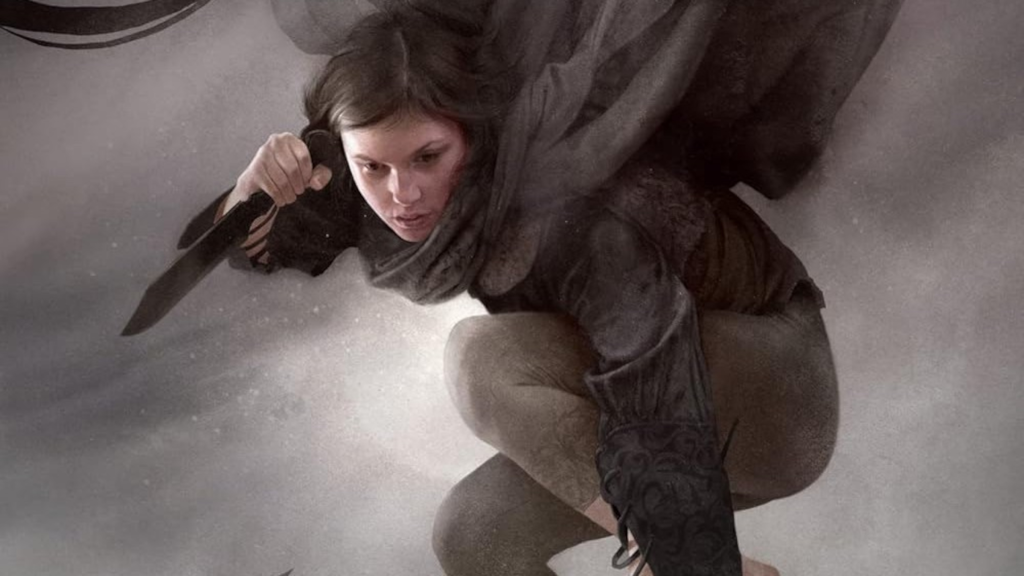
All three books in Mistborn Era 1 are 10/10 reads, but the first one is just a little bit better than The Well of Ascension and The Hero of Ages. There are a few things I’d chalk this up to. For one, Kelsier’s perspective is one of the most compelling of the series, and it’s certainly missed in the later chapters. The Final Empire‘s tight, heist-like structure also gives it a more focused and fast-paced feel. And Sanderson’s magic system and signature twists still feel fresh and exciting here. They continue to drive the story over the next two books, but not much compares to The Final Empire‘s Lord Ruler twist. (Okay, the second book’s Kandra one comes close.)
4) The Gentleman Bastard Series by Scott Lynch
First Book: The Lies of Locke Lamora
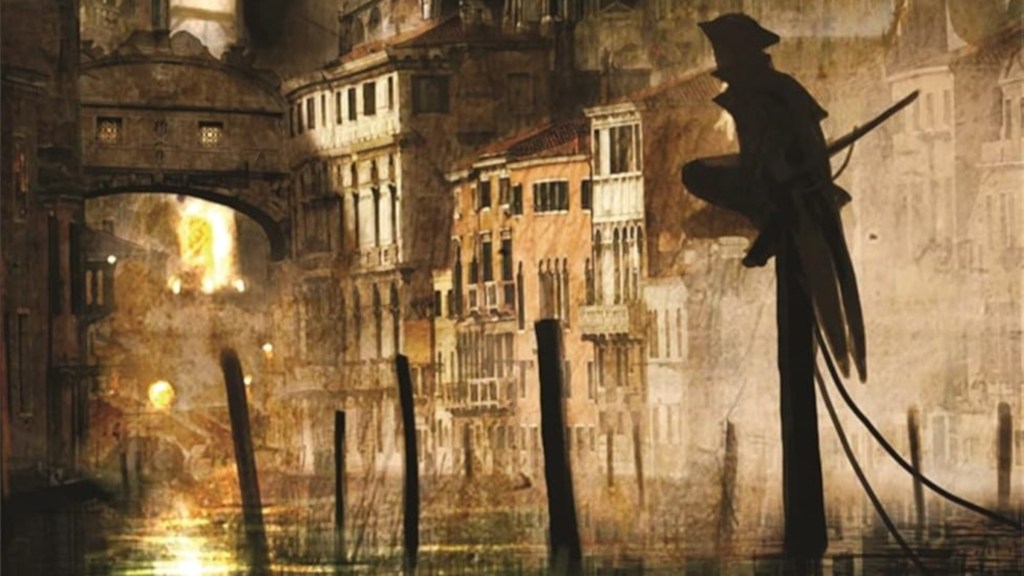
Scott Lynch’s Gentleman Bastard series is ongoing, but we’ve been waiting for the fantasy series’ next addition for years now, so we’ll judge the current three installments. And although Lynch’s follow-ups expand the world in interesting ways, The Lies of Locke Lamora continues to stand out as the best of the bunch. Like The Final Empire, it benefits from a more focused plot — one that also has heist elements, funnily enough. It’s one of the rare instances where a more contained setting is also a strength, as the Venetian vibes and dark atmosphere of Camorr are immaculate and hard to top. The first book’s ending is the most gutting point of the series too, even if the emotional beats are strong throughout.
3) The Locked Tomb by Tamsyn Muir
First Book: Gideon the Ninth

The Locked Tomb is a science fantasy series that got a lot of attention when Gideon the Ninth released, but some of that excitement has fizzled out — which is a shame, as the next two installments have their own strengths. Gideon the Ninth remains the most remarkable though, something that could change when book four arrives. Gideon the Ninth may take some getting used to, but it’s far less difficult to get into than Harrow the Ninth. And while Nona the Ninth is fun, its lead and plot doesn’t compare to those of the first book. Part of the issue is that the installments are so different from one another. Gideon the Ninth leaves a strong impression with its cynical main character and mystery structure. The others aren’t trying to repeat or live up to it, and that’s fine, but it does make them underwhelming for anyone looking for the highs of book one.
2) Raven’s Shadow by Anthony Ryan
First Book: Blood Song
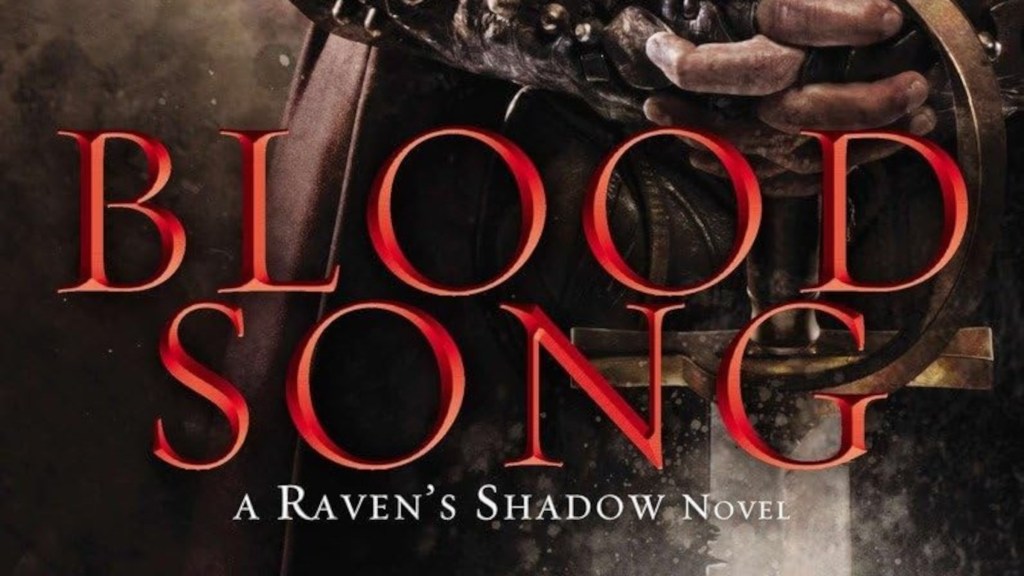
Anthony Ryan’s Raven Shadow series tends to divide readers. Blood Song is widely regarded as an incredible first book — but the next two installments can be hit-or-miss. The author expands the world in the sequels, but the shift in focus makes them a bit less memorable. Blood Song spends most of its time unpacking Vaelin’s character, and it does so in a way that’s both engaging and paced incredibly well. Once the scope gets bigger, the story loses some of the focus and charm that made book one great. Seeing more of the world and characters isn’t a bad thing, but it’s different in a way that can be disappointing.
1) The Magicians by Lev Grossman
First Book: The Magicians
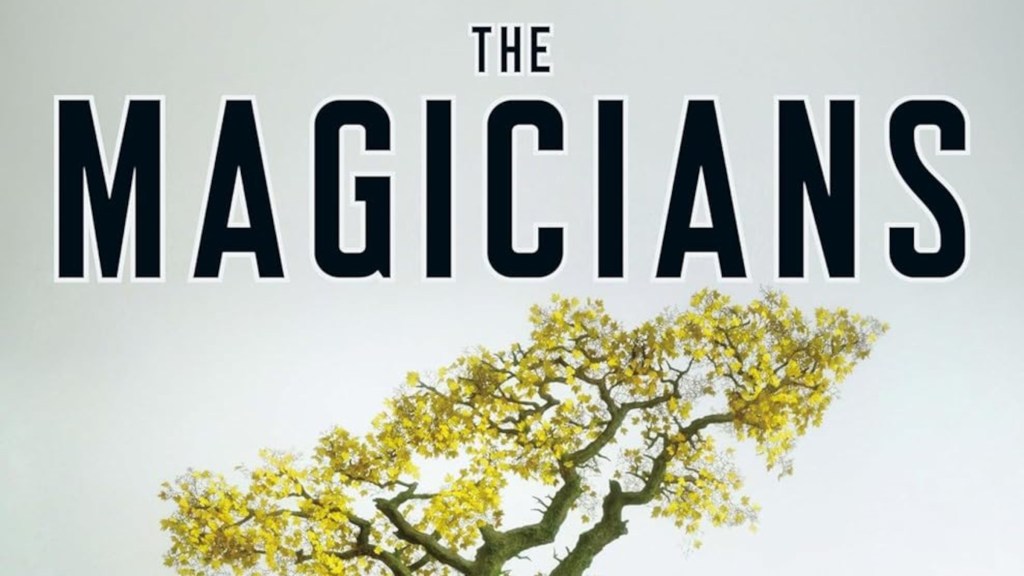
The Magicians trilogy by Lev Grossman puts a dark spin on the magical school setting, and the first book capitalizes on this concept the best. Perhaps it’s just the novelty, or the fact that the characters haven’t yet grated every one of the reader’s nerves, but The Magicians introduces a story with a ton of potential. Its flawed characters have a lot of room to grow, the concept of Fillory is looming and promising, and the takeaway — that magic isn’t a fix-all solution — hits the mark. Unfortunately, the sequels don’t live up to the first book’s potential, leaning a bit too heavily into their cynicism and lulling in places. Book three nearly gets there, but it’s still not as tight. The Magicians is definitely a fantasy series that’s improved by its adaptation.
What fantasy series do you think peaked with its first book? Leave a comment and join the conversation now in the ComicBook Forum!