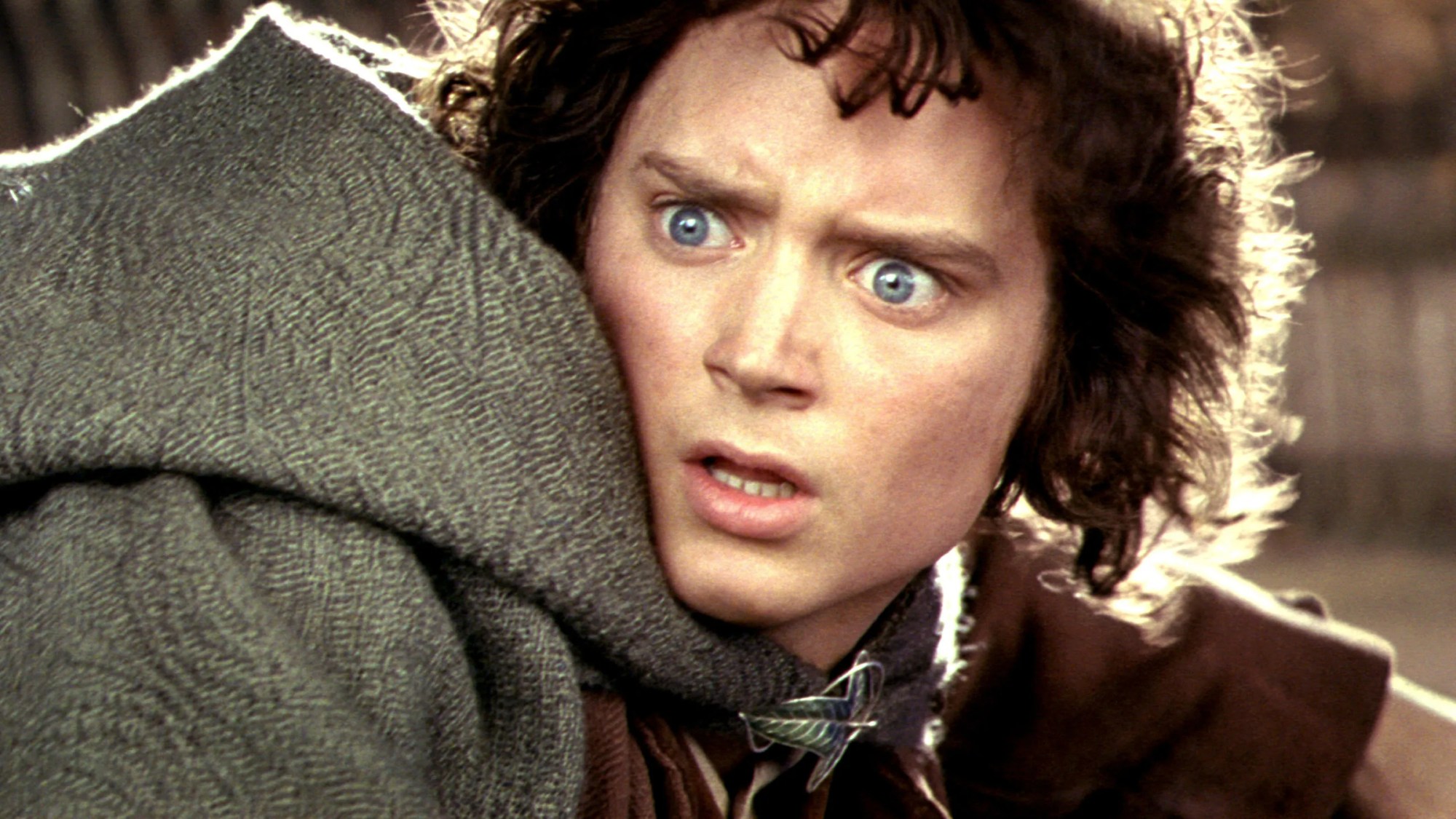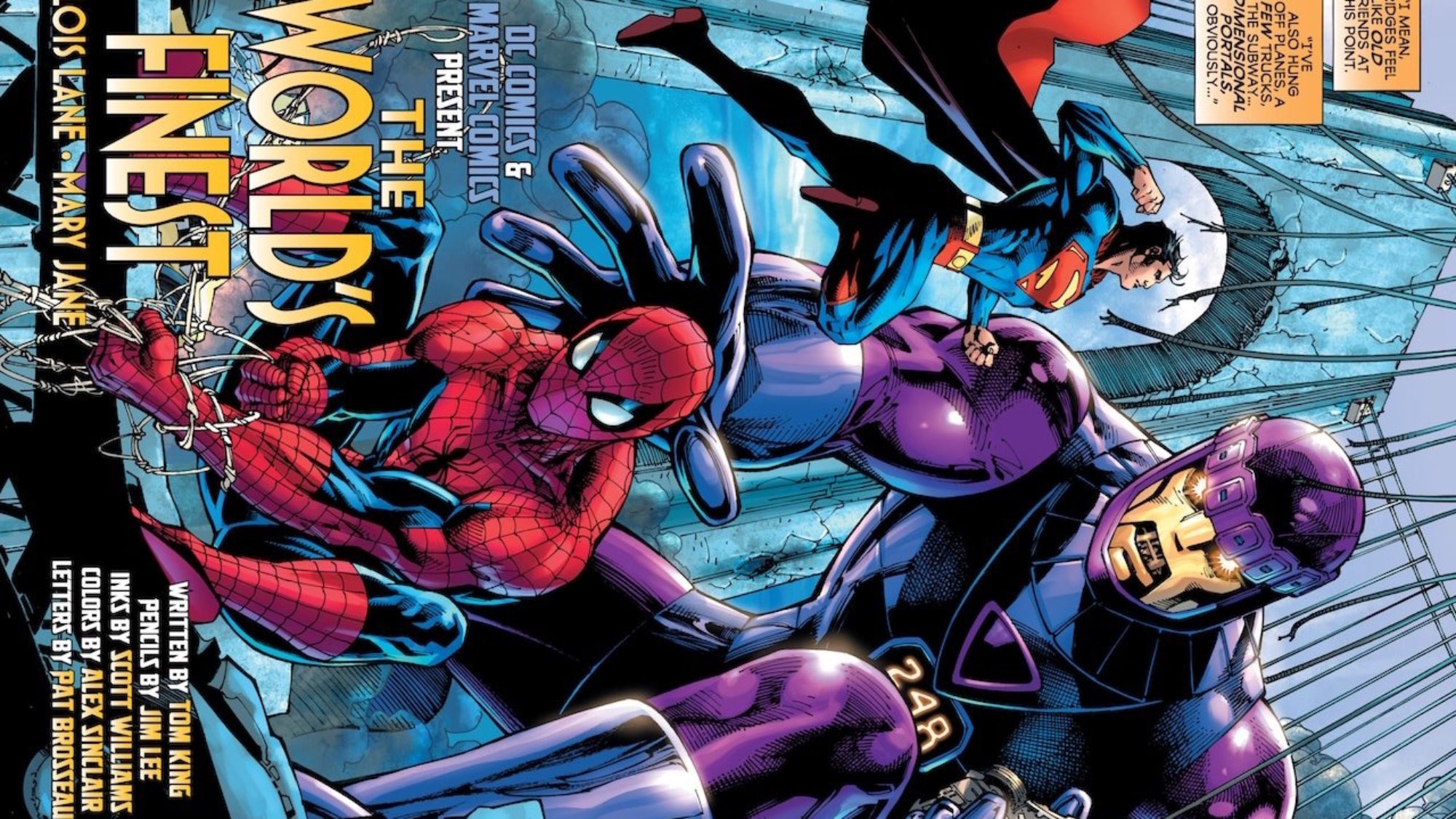


Avengers: Endgame closed the Infinity Saga with an unprecedented level of success, but Marvel Studios immediately faced the complicated question of where to go next after their sprawling story had concluded. The answer, announced through a cascade of Phase Four projects, was the Multiverse. Phases Four, Five, and Six, collectively branded the Multiverse Saga, were designed to build toward a confrontation with Kang the Conqueror (Jonathan Majors), a time-traveling villain whose armies of variants would position him as the Marvel Cinematic Universe‘s answer to Thanos (Josh Brolin). Unfortunately, Marvel Studios’ strategy collapsed under its own weight.
Most MCU films in the new saga — Black Widow, Shang-Chi, Thor: Love and Thunder, Thunderbolts*, and so on — made no meaningful contact with the multiverse concept. The projects that did engage with it, from Doctor Strange in the Multiverse of Madness to Ant-Man and the Wasp: Quantumania, applied contradictory rules to how alternate realities functioned and failed to explain the appeal of alternate realities. Then, Majors’ firing following a criminal conviction dissolved whatever narrative infrastructure remained. The one consistent exception was Loki, which used the concept with discipline and consequence. The rest of the saga demonstrated, project after project, that Marvel had a powerful idea with no coherent plan to execute it. What the studio never reckoned with was that another film, produced on a fraction of the superhero budget, could show what a genuinely ambitious multiversal story looked like.
How Everything Everywhere All at Once Became a Massive Hit

Written and directed by Daniel Kwan and Daniel Scheinert, Everything Everywhere All at Once premiered at South by Southwest on March 11, 2022, before A24 brought it to theaters on March 25 as a limited premiere, and then expanded it to wide release on April 8. The studio budgeted the production at roughly $14 to $25 million, but it earned $143.4 million worldwide, becoming A24’s highest-grossing film in the distributor’s history, surpassing Uncut Gems domestically and Hereditary globally. In addition to becoming a box office hit, critics were also quick to praise Everything Everywhere All at Once, leading to a 93% approval rate at Rotten Tomatoes.
When the award season came, the film won seven of its eleven Oscar nominations, including Best Picture, Best Director, Best Actress for Michelle Yeoh, Best Supporting Actor for Ke Huy Quan, Best Supporting Actress for Jamie Lee Curtis, Best Original Screenplay, and Best Editing. Beyond the Academy Awards, Everything Everywhere All at Once swept the four major guild awards — DGA, PGA, WGA, and SAG — placing it alongside American Beauty, No Country for Old Men, Slumdog Millionaire, and Argo as the only films to achieve that distinction.
Everything Everywhere All at Once Is the Best Multiversal Story in Movies

The core argument for Everything Everywhere All at Once‘s superiority as a multiversal narrative begins with its thesis, which is both simpler and more demanding than anything the MCU attempted. The Daniels use the multiverse not as a plot device for spectacle or villain logistics, but as a philosophical framework for one specific human problem: the paralysis of infinite possibility. Evelyn Quan Wang (Michelle Yeoh) is a middle-aged Chinese immigrant running a failing laundromat in Simi Valley, California, while contending with an IRS audit, a disintegrating marriage, and a daughter she cannot connect with. The multiverse, in this film, exists to confront Evelyn with every version of herself she did not become, and to force the question of whether any alternate path would have delivered meaning.
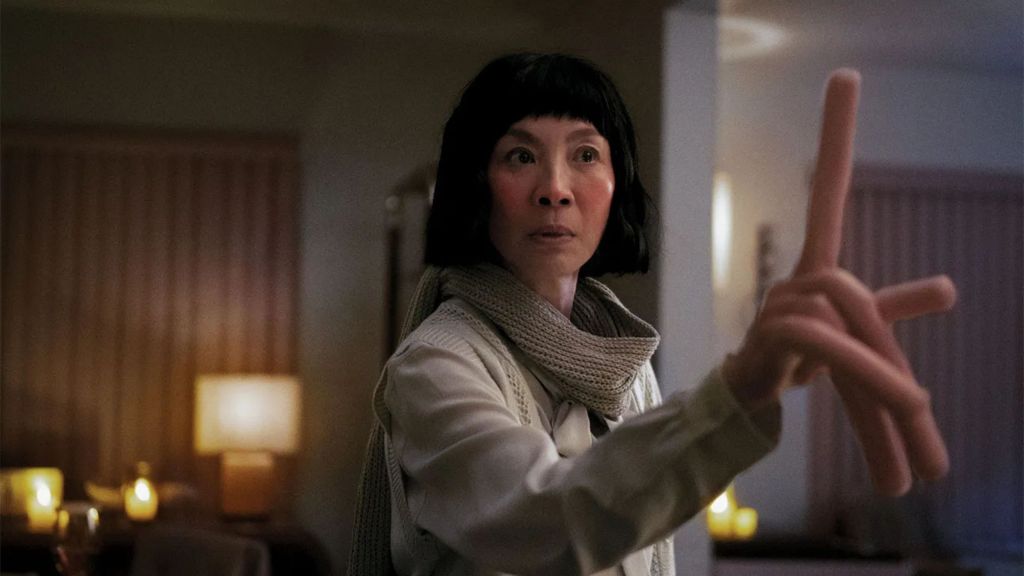
The antagonist, Joy/Jobu Tupaki (Stephanie Hsu), functions as the multiverse’s logical extreme. Having been forced to experience all realities simultaneously, Jobu Tupaki has arrived at the conclusion that if everything is possible, nothing matters. Her weapon is an everything bagel—a black hole consuming all significance. That image is absurd, and deliberately so, because the Daniels understand that an infinite multiverse is prone to chaos, confusion, and hilarious divergences of the main reality.
The MCU’s consistent failure with the multiverse stemmed from treating alternate timelines as a resource extraction. Variants existed to provide callbacks, cameos, or additional villains, but they rarely brought any true emotional discussion to the table. Doctor Strange in the Multiverse of Madness moved between universes to generate set pieces, but focused on a single alternate reality that was simply too tame to amaze. Quantumania used the Quantum Realm as a staging ground for a multiversal villain introduction, but also failed to create a different dimension that could stand out on its own. Neither film asked what it costs a person to experience the infinite. Everything Everywhere All at Once, in its turn, builds its entire third act on that question. When Waymond Wang (Ke Huy Quan) delivers his argument for kindness as the only rational response to meaninglessness, the film has earned that moment through two hours of genuine emotional escalation.

On the opposite direction of the MCU, Everything Everywhere All at Once also executes its vision with technical discipline that reinforces the thematic work. For instance, editor Paul Rogers cut the film to reflect the cognitive experience of multiversal fragmentation, as sequences collapse into one another at a pace that produces disorientation. Still, they are never incoherent, because the emotional throughline with Evelyn remains stable. Then, cinematographer Larkin Seiple differentiates universes through distinct visual grammars: warm, desaturated tones for the primary timeline; colder palettes for the more surreal branches; a deliberately flat comedic texture for the hot-dog-finger universe. The multiple timelines feel different because they look different and work under different rules to tether reality, something the MCU has never really done.
Marvel Studios is now trying to salvage the Multiversal Saga by betting everything on Avengers: Doomsday. The new event movie will feature Robert Downey Jr. as Doctor Doom, the villain to replace Kang as the saga’s ultimate threat. Avengers: Doomsday will lead into Avengers: Secret Wars, a second event movie that promises to shatter the multiverse for good. Hopefully, Marvel Studios has learned its lesson and can take inspiration from Everything Everywhere All at Once to deliver a truly multiversal experience with its next movies.
Everything Everywhere All at Once is available to stream on HBO Max. Avengers: Doomsday hits theaters on December 18th, 2026, followed by Avengers: Secret Wars on December 17th, 2027.
How do you hope the MCU tackles the multiverse in its upcoming movies? Leave a comment below and join the conversation now in the ComicBook Forum!