

One of the most famous filmmakers in the industry is Ridley Scott, with a huge lineup of films across different genres – who hasn’t heard of Gladiator, Blade Runner, Napoleon, Alien, or Hannibal? The guy has built worlds that left a mark on cinema history and are stuck in the audience’s minds. But what about when it comes specifically to sci-fi and fantasy? He became a major name for telling stories with terrifying space monsters, futuristic dystopias, and even gripping survival adventures. Each of his movies has its own personality, and even the divisive ones leave a lasting impression. And that’s exactly why we put together this list: to break down not just which of his genre films were the most memorable, but also where he nailed it, went overboard, or let the story slip.
Here are all of Ridley Scott’s major sci-fi and fantasy movies, ranked. Some definitely fell short of what they promised, while others hit it out of the park and became benchmarks. But overall, they’re all masterpieces in what they set out to do.
6) Legend

Fantasy isn’t exactly the genre Scott is best known for. Does that make Legend a bad movie? Well, compared to the other films on this list, it ends up being the most problematic. The story follows young Jack (Tom Cruise) as he tries to save Princess Lili (Mia Sara) from the hands of Darkness (Tim Curry) and protect the unicorns of a glacial era. It tries to be epic, but the characters lack depth, and the script is full of holes. Visually, it’s still impressive and memorable for those who watched it younger, but that’s about it.
Overall, the movie is a mess, mostly because it feels like it spends more time trying to look pretty than being interesting. Scenes seem chosen for aesthetics rather than the story. Still, for some, it’s an underrated gem. The truth is that you either love it or hate it — if you don’t like it, there’s nothing to defend; if you do, you’ll praise the whole experience. But honestly, as a masterpiece, Legend just doesn’t hold up so much, and that’s a fact.
5) Alien: Covenant
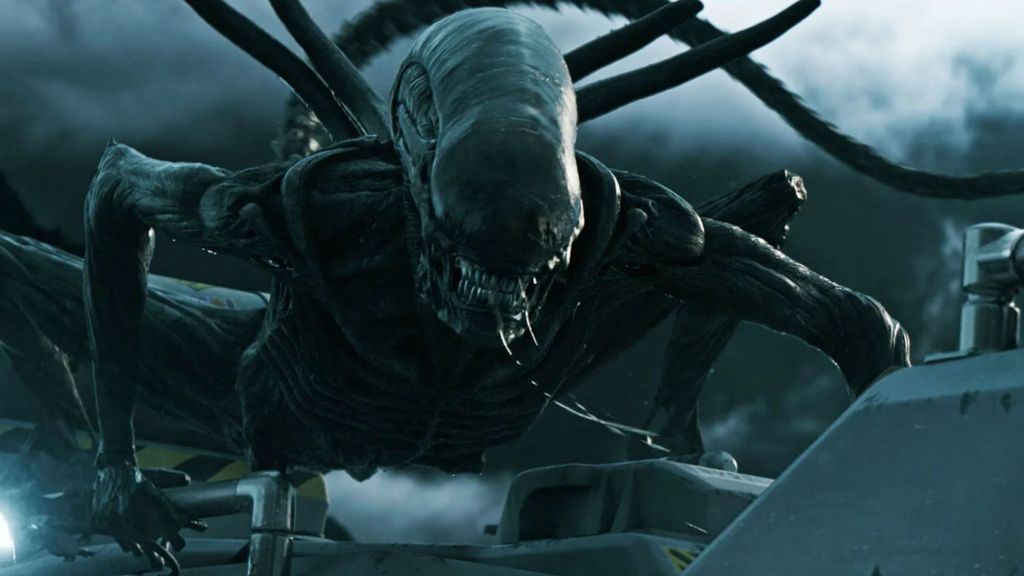
Alien: Covenant tries, but it inevitably falls short of the original classic. Its script is weak and trips over itself when handling the crew of the namesake colonization ship, which seems to find a promising planet, only for everything to turn into a nightmare once they arrive. When it comes to monstrous, terrifying aliens, the movie does hit the mark visually and in tension: the ship, the planet, the creatures — it’s all claustrophobic. But on the other hand, considering this is the sixth film in the franchise (counting the main movies) and that Scott wasn’t in charge the whole time, it’s clear there’s a lack of focus. But why exactly?
The movie mixes horror, ideas from Prometheus, and the basic Alien elements, but the result ends up feeling like it doesn’t know exactly what it wants to be. Still, there are high points that can’t be ignored: Michael Fassbender’s David steals every scene he’s in, and some of the space horror sequences are really well done. The problem is that the film never reaches the narrative consistency you’d expect from Scott in this universe. It only works as entertainment for fans.
4) Prometheus

Ambitious to the extreme, this is exactly why Prometheus divides the franchise’s fanbase so much. Scott wants to tackle philosophical questions about the origin of humanity while still delivering horror and suspense. The story follows an expedition following a map believed to point to humanity’s creators. A team of explorers sets out confident they’ll uncover the secret of life on Earth, only to end up on a hostile planet. Like in Covenant, Fassbender’s character stands out as one of the best reasons to watch the movie. The visuals are impeccable. But is that enough?
The biggest problem with Prometheus is the balance between the script and execution, because one doesn’t match the ambition of the other. What the audience gets are characters making absurd decisions, plot holes, and ideas left completely unresolved. That’s why it’s so hard to defend; the movie could have been much more, especially considering it’s supposed to provide the initial context for the franchise. Still, it doesn’t stumble as badly as the follow-up, and it’s intriguing for its different approach. It’s a clear example of Scott trying to expand sci-fi beyond just space monsters, which earns it some points.
3) The Martian

When The Martian came out, it got a lot of attention — and for good reason. Here we see the Scott who nails everything that some of his Alien films stumbled on: it’s fun, smart, and to the point. The story follows Mark Watney (Matt Damon), stranded on Mars, practically a survival guide for hostile planets, and the director makes it feel exciting and even funny at times. It’s also worth highlighting Damon’s performance, which delivers charisma, tension, and humor all at once.
The Martian shines because Scott understands that science doesn’t have to be boring. He tried something similar with Prometheus, but it’s as if the years helped him figure out how to turn formulas and procedures into real, engaging drama within sci-fi. It’s a different tone too, so there are no monsters or horror here, but the survival tension works as well as any space thriller. It’s a modern sci-fi production that remains accessible and engaging without losing coherence. It’s no surprise that it even won the Golden Globe for Best Motion Picture.
2) Alien
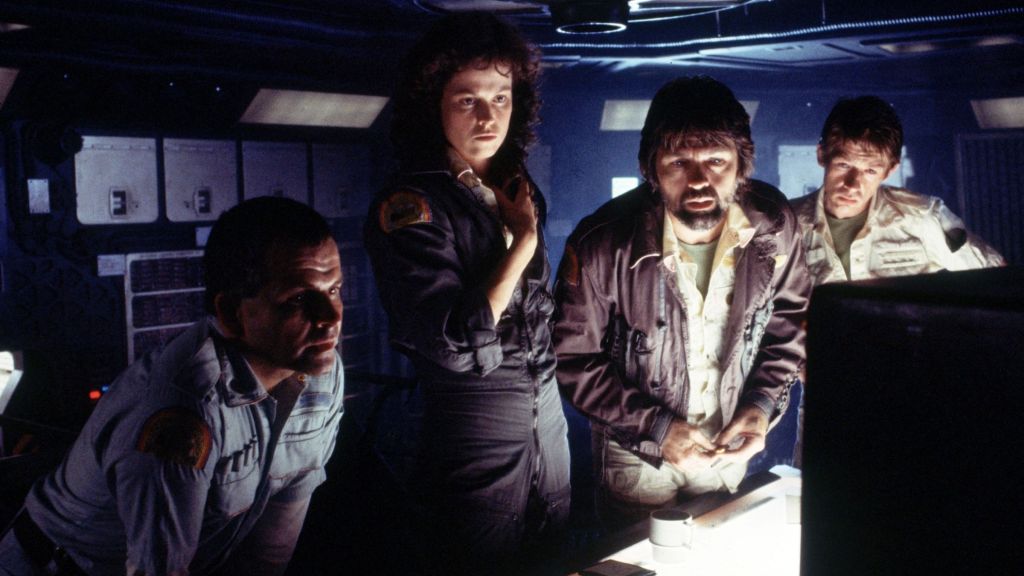
If sci-fi today is defined by movies that made history, like Star Wars, 2001: A Space Odyssey, and The Matrix, a big part of that is thanks to Alien. It’s simply unbeatable when it comes to space horror, showing for the first time just how terrifying creatures from beyond Earth can be. The story follows the Nostromo crew, who discover a nest of eggs inside a ship — and from there, it’s all downhill. The film still works as inspiration today, mastering suspense and pacing, with a setting that feels suffocating and every death designed to hit the audience hard and leave a lasting impact.
Alien is one of those films you can’t escape because it grips you from start to finish without relying on over-the-top effects or cheap scares. Scott blends horror and sci-fi perfectly while keeping the situation grounded in reality, knowing that this makes the terror feel even more intense. It’s efficient, memorable, and clearly defined: one of the genre’s pillars, and a film that reinvented the rules for countless movies that came after. It’s not just a classic — it’s a masterclass in building tension.
1) Blade Runner

Blade Runner sits at the peak of Scott’s career, and that’s clear when you know he himself has said he regrets not making the sequel. Steering away from the sci-fi/horror combo, this adaptation of Philip K. Dick’s Do Androids Dream of Electric Sheep? follows replicant hunter Rick Deckard (Harrison Ford) in a rainy, decaying Los Angeles filled with action, mystery, and philosophy. It’s all about building a futuristic world that feels real, believable, and layered. Does it lose momentum? Absolutely not. Everything is perfectly balanced, from the story and themes to the visuals (the film’s aesthetic has become iconic).
But the most fascinating thing about Blade Runner is how it puts the question of what it means to be human on the big screen, and that theme is so timeless that the movie still resonates with new generations. Everything in the story feels relevant, and every detail of its universe draws you in — you’re hooked from the start and fully immersed. This is sci-fi that has influenced countless productions since, and that’s why it takes the top spot on this ranking. It’s not just about the visual impact; it’s about everything it represents in terms of concept and storytelling.
Do you have a favorite Ridley Scott movie? Leave a comment below and join the conversation now in the ComicBook Forum!