
War games are an interesting beast in the world of gaming. On some level, they are easy fits for gaming’s habit of creating power fantasies, imagining intense scenarios where players can confront legions of nameless enemies and gun them down with no human guilt. However, this can also undercut any narratives meant to reflect on the grim realities of conflict.
Some games, like Spec Ops: The Line and Call of Duty: Modern Warfare, have found the right balance. However, one of the most subtly effective wartime stories in gaming belongs to Nintendo’s Advance Wars. The series of handheld strategy games, which rank among Nintendo’s most compelling titles, may present itself as a kid-friendly series, but in reality, it explores some of the heavier aspects of wartime narratives with a thematic weight that has always made them effective anti-war stories — all while still providing good strategy gameplay.
Just Because Advance Wars Is Cartoony Doesn’t Mean It Isn’t Serious
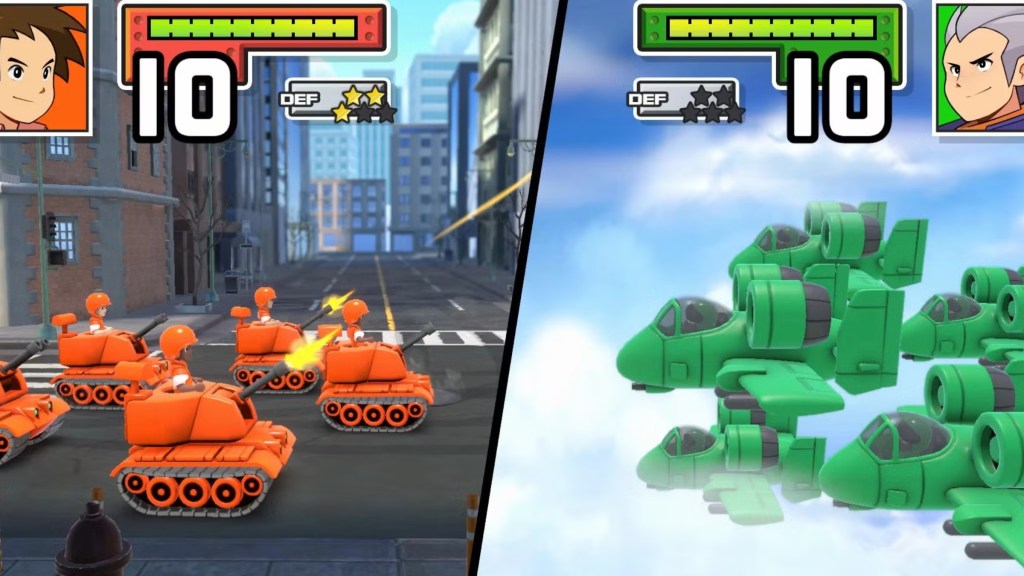
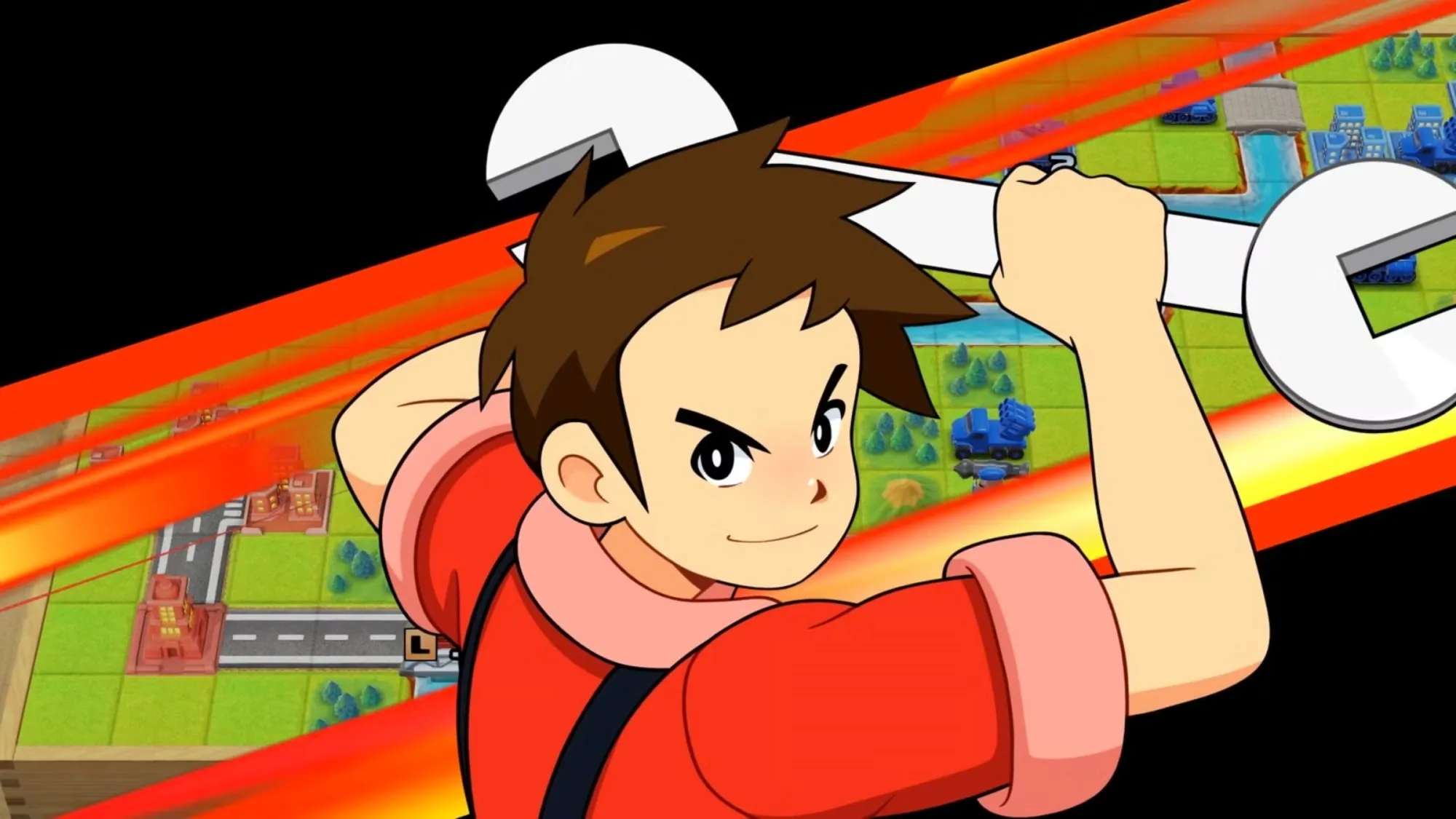
Advance Wars is a deceptively mature franchise, using the lighter color palette and fun character design to hide a surprisingly dramatic narrative and heavy thematic weight. The modern descendant of the Famicom Wars series, Advance Wars found major success in Western markets when it launched on the Game Boy Advance in 2001. The game’s bright visuals benefited the turn-based strategy gameplay, with cartoonish renderings of tanks, battleships, and jets doing a good job of keeping the units clear and the action straightforward. However, the lighthearted surface-level of the franchise has never necessarily translated to the underlying narrative.
The series’ campaign modes in particular have always been about the harsh realities of war and the underlying tensions that can exist between various nations. The first game in the modern series, Advance Wars, focused on a potential world war set off by the Black Hole Army as a means of destabilizing the greater region ahead of their own ambitions. The sequels Advance Wars 2: Black Hole Rising and Advance Wars: Dual Strike took the concept even further, exploring questions of unethical experimentation, war profiteering, and weapons of mass destruction. It’s a surprisingly rich look at the internal politics that can drive countries against one another, and the common enemies that can unite them. It never had to drop the charming elements of the design in the process, either, giving the series a layer of charm that made it all the more enjoyable.
Advance Wars’ Most Dramatic Game Almost Killed The Franchise

All of that is why Advance Wars: Days of Ruin was such a disappointment when it was released in 2008. The follow-up to Dual Strike, Days of Ruin takes place in an apparent alternate continuity from the other games, focusing on the survivors of a global catastrophe that wiped out roughly 90% of the world’s population. The game explored many of the same themes as the previous games, but from a much more dramatic perspective.
On the whole, Days of Ruin was a far harsher title, with an art style and overall tone that was a lot less charming and a lot more gritty. The emphasis on harsher storytelling was the biggest hiccup for the game with critics, who otherwise embraced the game’s tweaks to gameplay. If anything, the lack of charming characters and softer elements made the narrative feel all the more bleak, making it easier to disconnect from. The characters felt more stock, the narrative less effective. By going serious, Days of Ruin lost the audience.
Advance Wars Balances Military Gameplay With Darker Storytelling
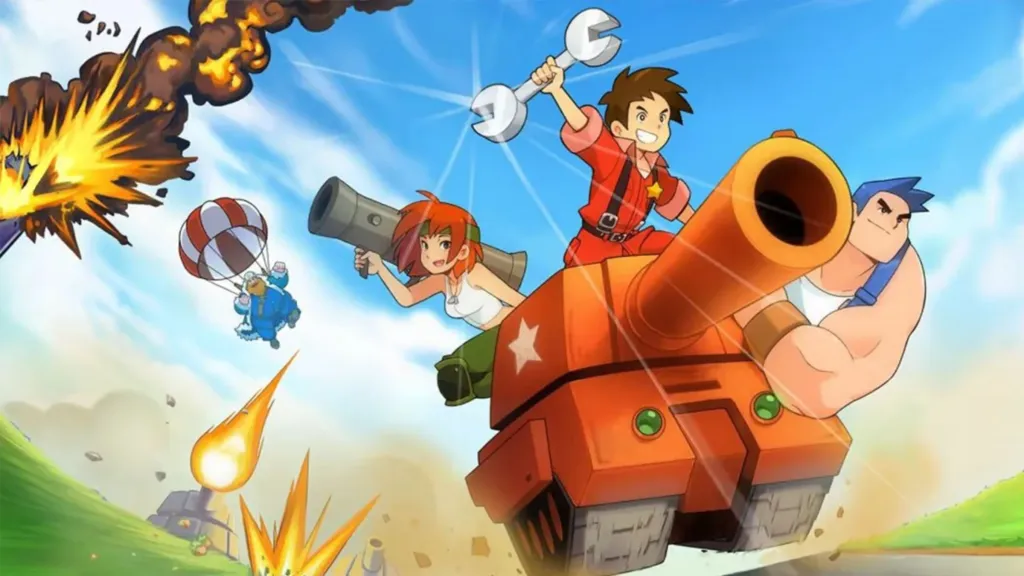
One of the things I’ve always loved about Advance Wars is the way the game never backed away from the realities of war. While the darkest elements of armed conflict are absent from the game, there’s still a recognition of how easily armed conflict can escalate from even simple misunderstandings, costing countless lives in the process. The games highlighted the egos of commanders like Olaf and Eagle, underscoring how their own prejudices about other regions could blind them to the reality of their situation. More than anything, the rise of the Black Home Army put emphasis on how easily automated manufacturing and aggressive expansion could destroy unique cultures and leave nothing but destruction in their wake.
The charming presentation made it easier as a young gamer to become engaged with the characters, but these themes were unmistakable throughout the narrative. It can be hard for military-centric games to present the complexities of war while still being engaging games in their own right. It’s too easy in the military genre to simply glorify the conflicts instead of reflecting on how they are meant to be acts of last resort. Advance Wars is one of the best examples of this, with a core gameplay loop that’s enjoyable to play but with an underlying story that speaks to broad audiences (and especially younger ones) in an effective way.