
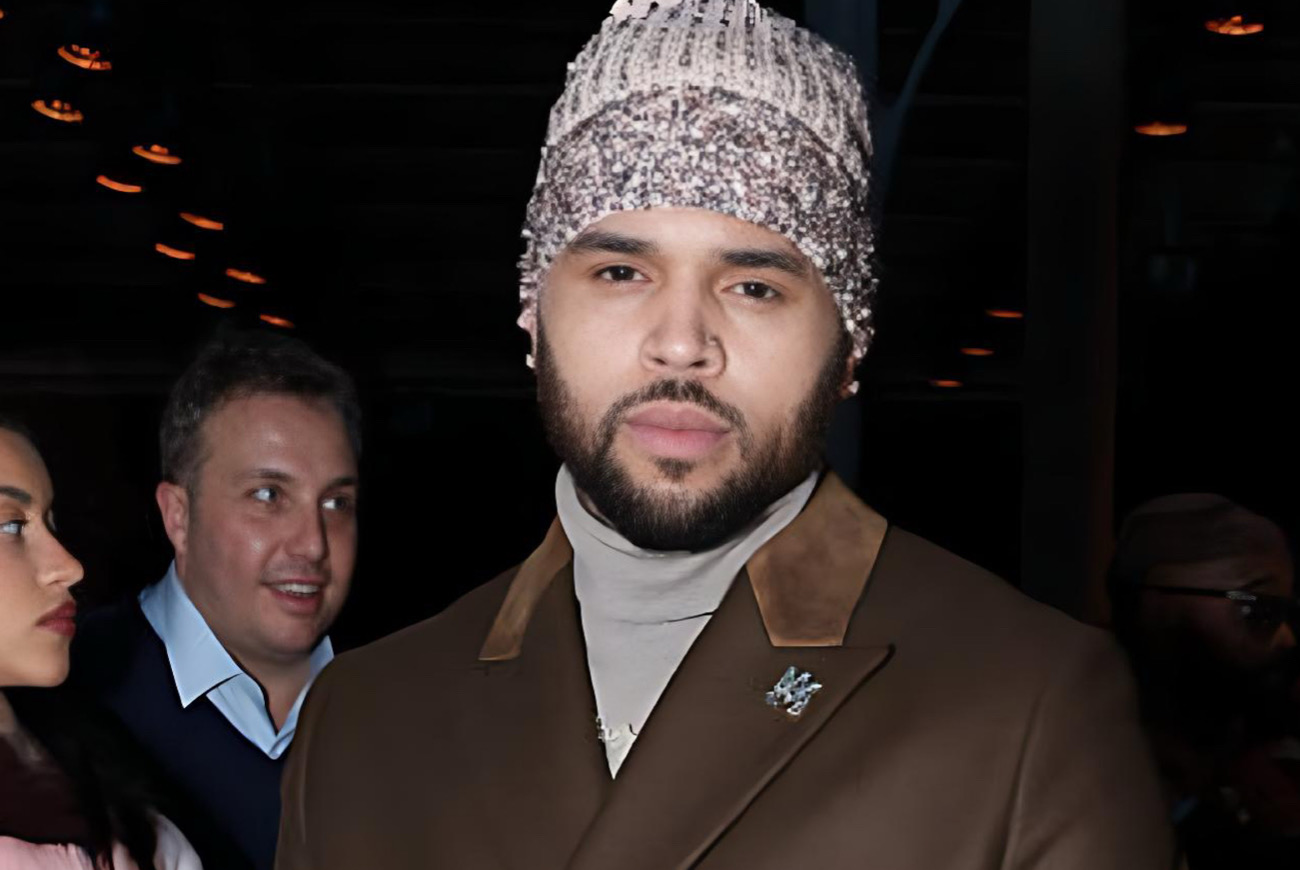
A federal judge has officially shut down a trademark lawsuit targeting Chris Brown’s Breezy Bowl XX Tour, and honestly, it feels like common sense finally entered the chat. The case, brought by a Miami-based swimwear brand called Breezy Swim, didn’t collapse because of lack of noise or headlines. Instead, it fell apart because the plaintiff couldn’t keep legal representation long enough to stay in court.
In fact, the judge didn’t even mince words.Before we break down how this whole thing unraveled, let’s be clear—Chris Brown is still outside, touring, performing, and selling merch, while this lawsuit didn’t even make it to trial.Alt text: Judge Tosses Trademark Lawsuit Against Chris Brown Over Breezy Bowl Tour
Why Breezy Swim Filed a Trademark Lawsuit Against Chris Brown
Back in July, right as Chris Brown was kicking off the U.S. leg of his global Breezy Bowl XX stadium tour, Breezy Swim decided to make a legal move. The Miami-based retailer filed a complaint in Florida federal court, claiming that Brown’s tour name and merchandise stepped on their trademarks.
According to the lawsuit, Breezy Swim alleged that fans could confuse Chris Brown’s Breezy Bowl tour with their own annual runway show, which they also call the “Breezy Bowl.” The company claimed the tour branding caused marketplace confusion and infringed on trademarks they believed they owned.Now, on paper, trademark cases can get tricky. Names matter. Branding matters. But timing and execution matter too—and this case struggled in both areas.
Breezy Swim didn’t just challenge the tour name. They also took aim at Chris Brown’s merchandise, claiming it overlapped with their branding identity. However, the tour had already built serious momentum, and the public wasn’t exactly confused about whether they were buying swimwear or concert merch.In September, Breezy Swim’s original attorney, John Hoover, withdrew from the case. His reason? A complete breakdown in communication and leadership disagreements with the company.
He cited a “fundamental breakdown” in communications and “irreconcilable differences” with Breezy Swim’s leadership. That’s legal speak for this relationship is cooked.
Breezy Swim then hired a second attorney, Lorri Lomnitzer, hoping to stabilize things. But by December, she also exited the case—again citing her own “irreconcilable differences” with the client.At that point, the court’s patience was thin.Corporate entities, unlike individuals, cannot represent themselves in federal court. Judge Beth Bloom made that crystal clear. She warned Breezy Swim that if they didn’t secure new legal counsel, the case would be dismissed.
Judge Beth Bloom Officially Dismisses the Breezy Bowl Lawsuit
On Tuesday, January 27, Judge Beth Bloom followed through on her warning and dismissed the lawsuit.“The court provided notice that failure to obtain counsel would result in an order of dismissal,” wrote Judge Bloom. “As such, the matter is dismissed without prejudice.”
That final phrase—“without prejudice”—matters.It means Breezy Swim could technically refile the lawsuit in the future if they get their legal house in order. But realistically, losing two lawyers and missing a direct court warning doesn’t inspire confidence.
As of publication, Breezy Swim CEO Kris Izquierdo did not return requests for comment. A representative for Chris Brown also stayed silent.