

Since Avengers: Endgame, Marvel has been trying to fill a void it created itself. The studio went all in on the multiverse, spread its stories across movies and TV shows, and started treating every project as a bridge to the next big event instead of a complete experience on its own. The result? A string of uneven releases with underdeveloped character arcs and poorly constructed plots that felt more focused on building a puzzle than telling a compelling story. Of course, not all of this falls solely on the studio, because the Marvel Cinematic Universe fans can be extremely demanding, too. Still, overall, the situation became exhausting. And for critics, it turned into a clear warning sign. With that, the MCU entered a crisis, but it took a while for Marvel to realize the problem was never budget or talent — it was priorities.
We’re now in Phase 6, but since Phase 4, the franchise has been defined by movies that leaned too heavily on cameos, nostalgia, and oversized concepts. Just look at Thor: Love and Thunder, Ant-Man and the Wasp: Quantumania, The Marvels, and even Doctor Strange in the Multiverse of Madness: all of them chased spectacle and forgot the basics. Characters need to grow. Conflicts need to matter. Stories need to carry weight. Instead, many of these films felt like extra episodes of an endless series. Basically, everything became a massive stall tactic leading to something bigger — until that “something bigger” finally arrived. And the best part? It ignored the multiverse entirely.
Why Thunderbolts* Is the Best Idea the MCU Has Had in Six Years
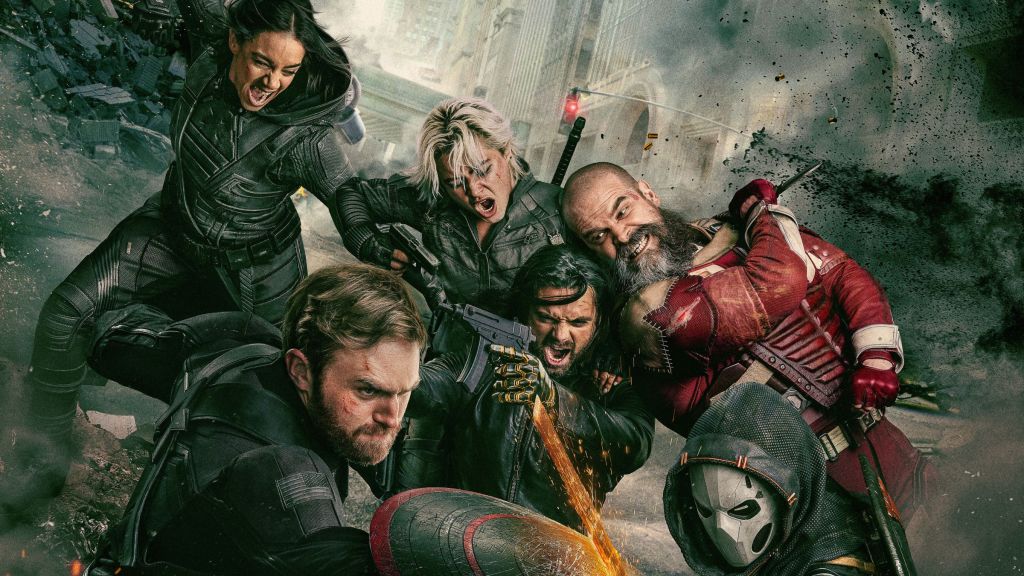
People had been talking about Thunderbolts* for a long time, but it arrived almost like an accident, because its success with Marvel fans wasn’t premeditated. The story follows an unlikely group made up of Yelena Belova (Florence Pugh), Bucky Barnes (Sebastian Stan), John Walker (Wyatt Russell), Red Guardian (David Harbour), Ghost (Hannah John-Kamen), and Taskmaster (Olga Kurylenko), brought together under the questionable supervision of Valentina Allegra de Fontaine (Julia Louis-Dreyfus). These are broken people: former soldiers, reformed assassins, and failed heroes trying to work together on missions no one else wants. They’re anti-heroes. And there’s no multiversal threat here, and no alternate realities. Just people dealing with guilt, trauma, and a desperate attempt to find some kind of purpose.
That idea alone is already effective (especially considering Marvel originally rose in comics precisely because of this kind of humanity in its characters). And truly, the film’s biggest strength is its script. For the first time in a long while, Marvel Studios delivers a story that actually knows what it wants to say. Thunderbolts* doesn’t throw characters on screen just to fulfill franchise obligations — it continues existing arcs while introducing new dynamics naturally. Yelena, in particular, becomes the emotional core of the entire movie, balancing sarcasm with vulnerability. But her journey isn’t about Natasha’s (Scarlett Johansson) legacy, but about identity and belonging, which also runs through the entire team.
And what’s most impressive is that the movie doesn’t treat this as a minor detail. Every character brings emotional baggage, and the narrative puts those wounds front and center, whether through dialogue or uncomfortable situations that aren’t resolved with a quick joke. Bucky isn’t just a sad background presence, and John Walker stops being simply “the wrong Captain America,” for example. Even characters who were previously overlooked finally get room to exist. Sure, not everyone gets equal spotlight, but the effort is obvious, and that alone puts the film several levels above Marvel’s recent output.
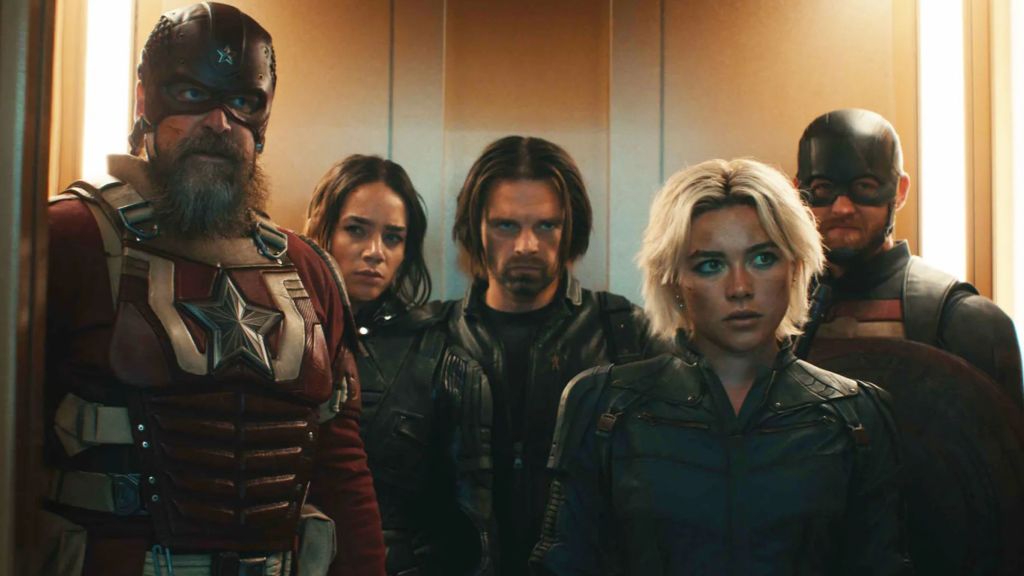
Another major difference is the tone. While most recent MCU projects leaned into massive CGI battles and generic villains, Thunderbolts* takes a more restrained approach. The action is there, but it never overwhelms the story. The movie avoids the usual CGI-heavy third act and subverts expectations by prioritizing emotional decisions instead.
Themes like depression and anxiety are central to the characters’ journeys, grounding everything and creating an immediate connection with audiences (especially at a time when these conversations are more relevant than ever). But there’s also a precise balance between drama and entertainment: the movie still delivers classic Marvel appeal, but without forcing it, letting engagement come from character connection rather than visual overload. It feels like a formula being broken and reshaped for the moment, reminding everyone that Marvel used to thrive when visual effects served the story, not replaced it.
Thunderbolts* Works Mainly Because It Has Nothing to Do With the Multiverse
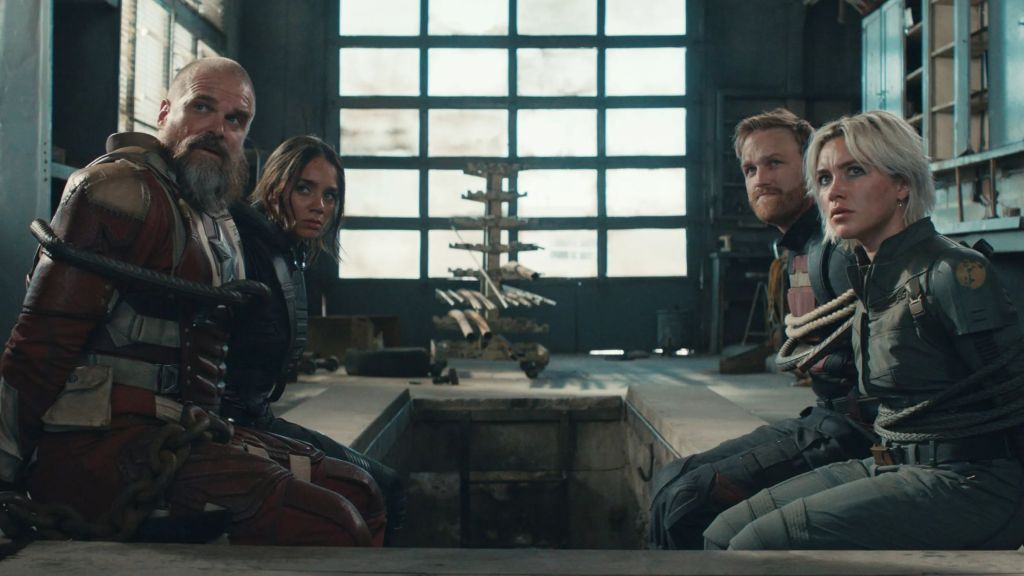
Compared to other films, the contrast is striking. In Thunderbolts*, there’s no nostalgia shortcut, no fan service used as emotional currency, and most importantly, no reliance on the multiverse to create impact. The movie doesn’t need alternate realities, character variants, or universe-ending threats (even though Sentry (Lewis Pullman) is undeniably powerful) to justify its existence. You can have followed every MCU project or almost none at all and still understand what’s going on. That sounds basic, but it’s become rare in a franchise that started demanding homework, turning every release into another puzzle piece, often at the expense of the story being told.
And the absence of the multiverse isn’t just an aesthetic choice; it’s a fundamental narrative decision. While much of the Multiverse Saga tried to escalate conflicts to absurd levels through increasingly abstract concepts, Thunderbolts* brings everything back down to earth. The movie understands that emotional stakes are more effective than universe-ending crises. This isn’t about saving infinite realities — it’s about characters trying to survive their own choices and helping each other. And that shift in focus makes all the difference, because it’s not shallow curiosity about the next crossover. There’s depth; there’s meaning; there’s experience — that same magic that made people fall in love with the MCU in the first place.
It also helps that the film introduces characters and ideas without burying viewers under endless exposition or forced connections to shows. Nothing exists purely to set up a future project. The film respects the audience’s intelligence and bets on real emotion, not references. Instead of feeling like an extended MCU episode,Thunderbolts* plays like an actual movie, with a clear beginning, middle, and end. For too long, Marvel seemed more focused on feeding its brand ecosystem than delivering complete cinematic experiences.

And yes, the movie has flaws. But unlike many Phase 4 and 5 releases, those issues don’t undermine the whole thing. They’re imperfections within a solid structure, not signs of a story that doesn’t know where it’s going. The final result is a production that understands its limits and works within them, which is something the MCU had forgotten how to do, especially when throwing massive concepts at the screen without knowing what to do with them. It was all about shock value and hype, with little substance behind it (which is exactly how you lose a loyal audience).
In the end, Thunderbolts* proves Marvel still knows how to tell good stories when it stops chasing the next big event. It may not be a new peak for the studio, but it’s easily its strongest step forward since Avengers: Endgame. You can see it in The Fantastic Four: First Steps, which also received very positive feedback, and even though it deals with the multiverse, it’s not about scale or concepts, but about characters first.
Thunderbolts* is the clearest signal yet that the MCU only needs to remember one thing to actually work again: people connect with people, not universes. That’s what this is about.
What do you think? Did you like Thunderbolts*? Leave a comment below and join the conversation now in the ComicBook Forum!