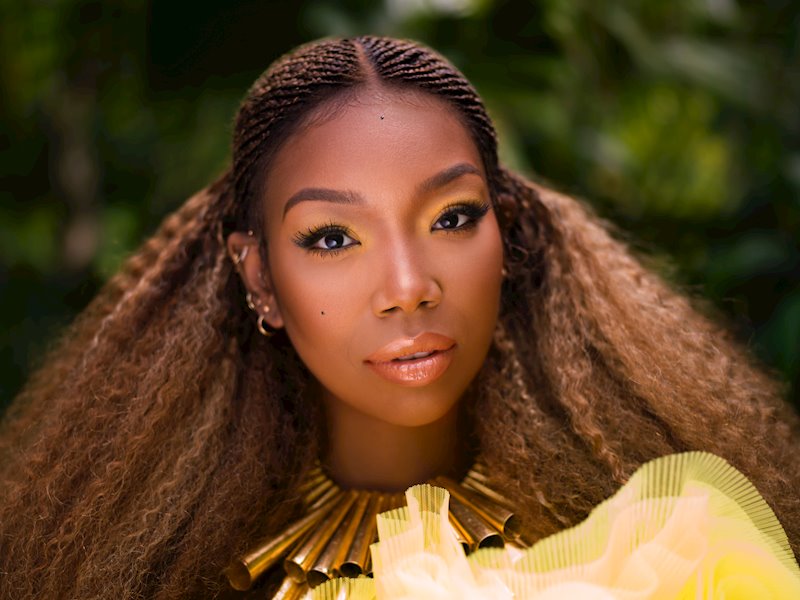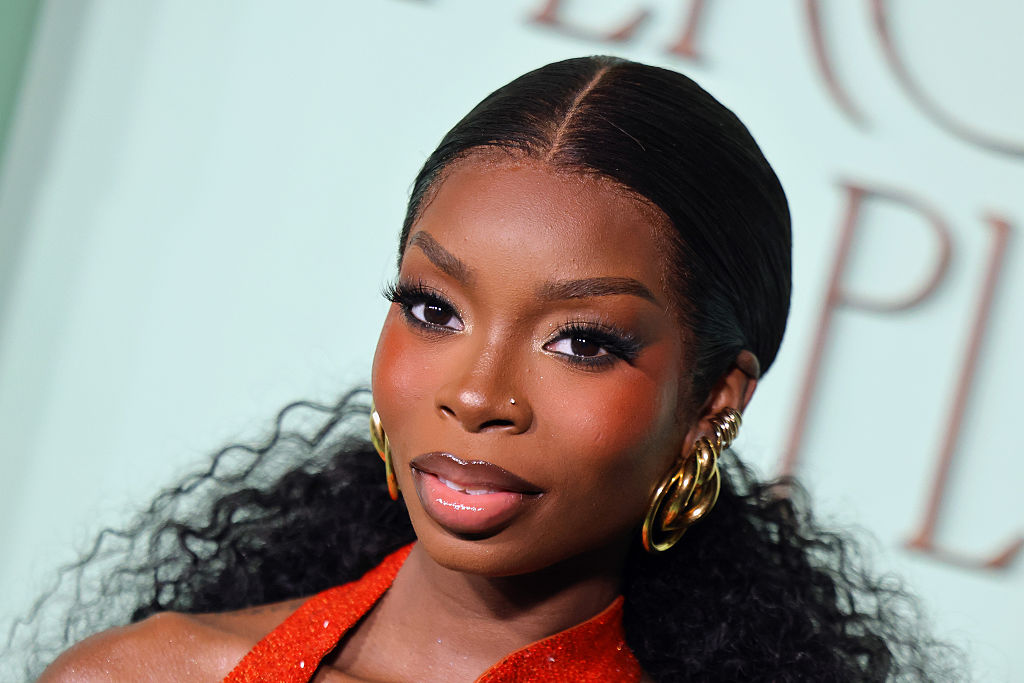


Have you ever met someone and they have that “it” quality to them? You don’t know them, but you know there’s something about them that makes them special. Well after my brief interaction with Odessa Jenkins, affectionately known as OJ, her story began to make a lot of sense to me. What you pick up on pretty quickly is the conviction. She has been betting on herself since before anyone else would. In her case, that bet was a professional football league nobody thought would work.
When Jenkins started pitching the Women’s National Football Conference to brands, she told them point blank that in three years they’d have a hundred million eyeballs, a TV deal, national press, and sponsors writing real checks. They told her the world wasn’t ready for women’s tackle football and that she should aim smaller or try a different sport altogether. She kept going anyway. Seven years later, one of those same doubters is now a paying partner, and the WNFC is now the largest professional women’s football league in the country.
To understand Jenkins, you have to go back to South Central Los Angeles, where she grew up. She lost her brother to gang violence there, and sports became the one thing that kept pulling her forward. She earned a Division 1 scholarship to Cal Poly, and never really slowed down after that.
She spent the years after college in healthcare technology, eventually landing on the executive team at YourCause, a company that sold to Blackbaud for $157 million. Football kept pulling her back, though. She entered the women’s game in 2008, became the number one ranked running back in the world, and later earned one of the first on-field NFL coaching positions ever given to a woman through the Bill Walsh Diversity Internship. By the time she founded the WNFC in 2018, she’d already been building toward this from both sides. None of which makes walking into a room full of brand executives any less of a statement. Jenkins is a bald Black lesbian woman in a sport that has historically been run by men who look nothing like her. “When people meet me and they see me, they’re like, what? You don’t look like I thought you would look,” she says. I felt that in our conversation too, she doesn’t shrink for anybody.
Jenkins went straight after Riddell, the same helmet company that supplies the NFL and NCAA. “I thought if that’s the first thing that we attribute from a partnership standpoint to this league, it immediately validates us,” she says.
The Instagram following snowballed, going from 10 million engaged to 50 million to eventually a hundred million, and the press and brand deals followed. Any brand can write a first check. Jenkins was more interested in who came back for a second one. And when she started listing them off, it was clear she had been keeping score. “Dove coming back and saying we want to partner with them. Adidas coming back and doing a multi-year deal with us. ESPN coming back and saying yeah, we want to run that back,” she says. “That’s how we got where we are now.”
Jenkins has a pretty clear theory on why brands keep missing the opportunity in women’s sports. They’re working from an outdated playbook, looking backwards at what already worked in men’s sports instead of paying attention to where things are actually heading. “When you look at the next 50 years of what sports and entertainment is going to look like, it’s going to be more heavily female,” she says. “More women than ever, more women of color. So if that isn’t a part of your investment thesis as a brand and as an investor, then you’re going to miss the majority.”
The league she’s already built reflects exactly that. Around 65 percent of WNFC players identify as Black or Hispanic, and Jenkins makes no apologies for building around that.
“Women of color are represented in every phase of this business, every phase of this business,” she says. “And it’ll stay that way as long as I’m here.” Got Her Back, the league’s nonprofit arm, takes that work off the field too, showing up in places like Oakland Tech and Watts to make sure Black and brown girls see a future in this sport long before they ever go pro.
The 2026 season is already underway and week one showed a 40 percent jump in ticket sales across the league, which is the metric she cares about most. Getting people off their couches and into seats means the product is working. The long term vision, in her words, has nothing to do with valuations or franchise sales. “Seeing these women getting paid a living wage to play the sport that they have sacrificed to play, seeing players become millionaires for playing this sport at the highest level, seeing these women and seeing girls wake up every single day and think about the idea of becoming professional quarterbacks and running backs and linebackers and defensive linemen and offensive tackles. That is the zoom out.” She started playing football because the sport had a place for her. She built the WNFC because she wanted to make sure it had a place for the women coming after her.