
The cosmetics sector is a large and rapidly changing industry that has a wide variety of products that cater to the various preferences, needs, and budgets. Well beyond mere aesthetic uplifting, makeup serves as an identity tool of self-expression that allows people to express identity, mood, and creativity using colour, texture, and style. As more consumers buy makeup for both daily wear and special occasions, there is growing interest in products that combine quality, safety, and long-lasting performance. With such a wide array of options available, understanding product quality and ingredient integrity becomes essential for making informed and responsible choices.
Evolution of Makeup Trends
Makeup trends have evolved over the years and have been influenced by cultures, art, and technology. The use of makeup was also symbolic and aesthetic in primitive civilisations like Egypt where they engraved status and protection in the attention-grabbing eye designs. The changes in the beauty standards over time have become drastic and dictated by fashion, cinema, and the media in the world.
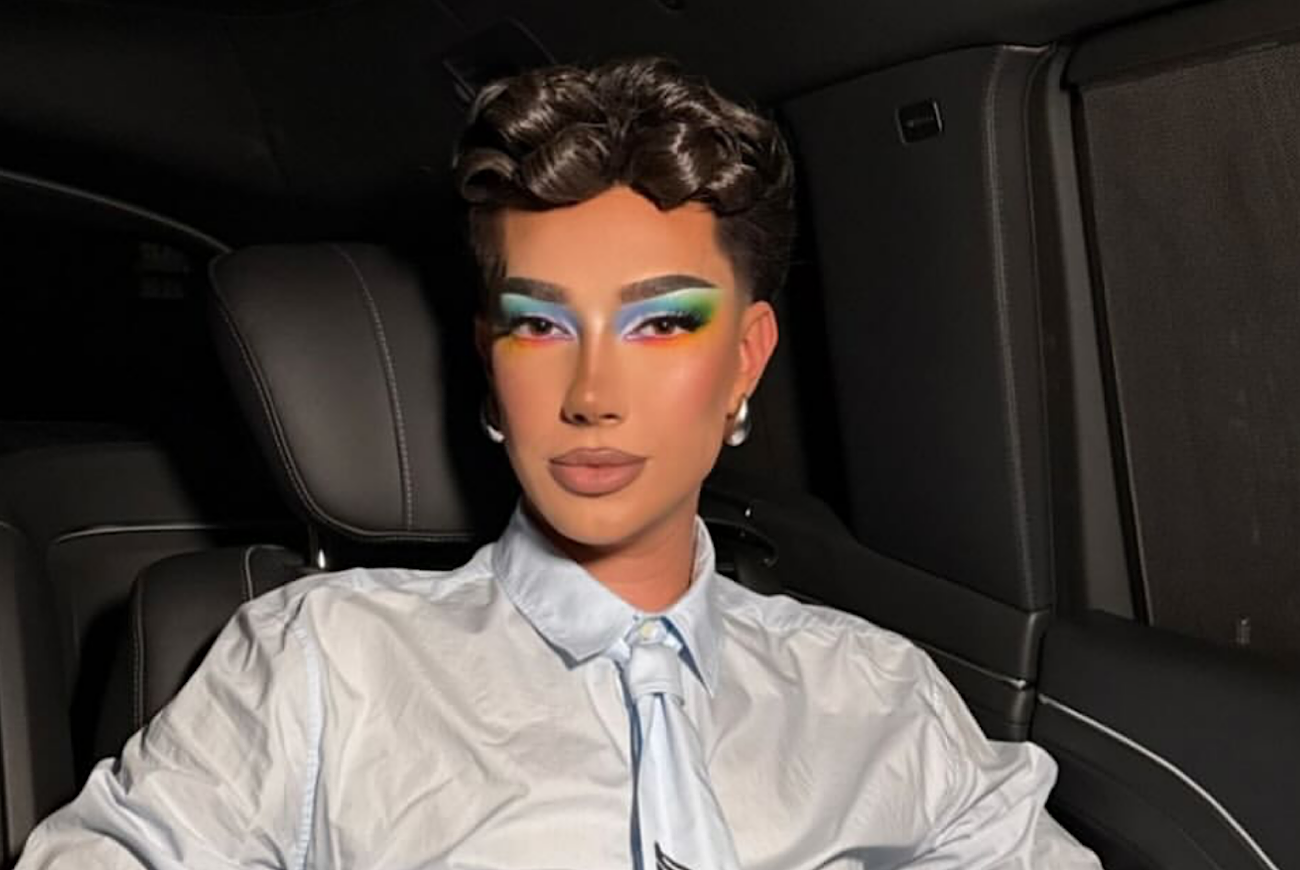
The promotion of inclusivity and diversity in terms of beauty is highly apparent in the modern world. In the modern makeup culture, it is understood that cosmetics do not have gender, age or skin color restrictions. This change has increased representation in the industry and promoted more open and personalised approach to beauty.
The emergence of digital platforms and social media has further changed the trends of emergence and diffusion. Beauty knowledge is now ubiquitous through makeup tutorials, product reviews, and content incite by influencers. Customers can now be exposed to trends across the globe in real time, which are frequently influenced by beauty makers who show how things are done and market a certain product. Consequently, there has been a rise in demand of products like highlighters, contour palettes, or skin-perfecting foundations, which are made popular due to online presence and computerized aesthetics.
Categories of Makeup Products
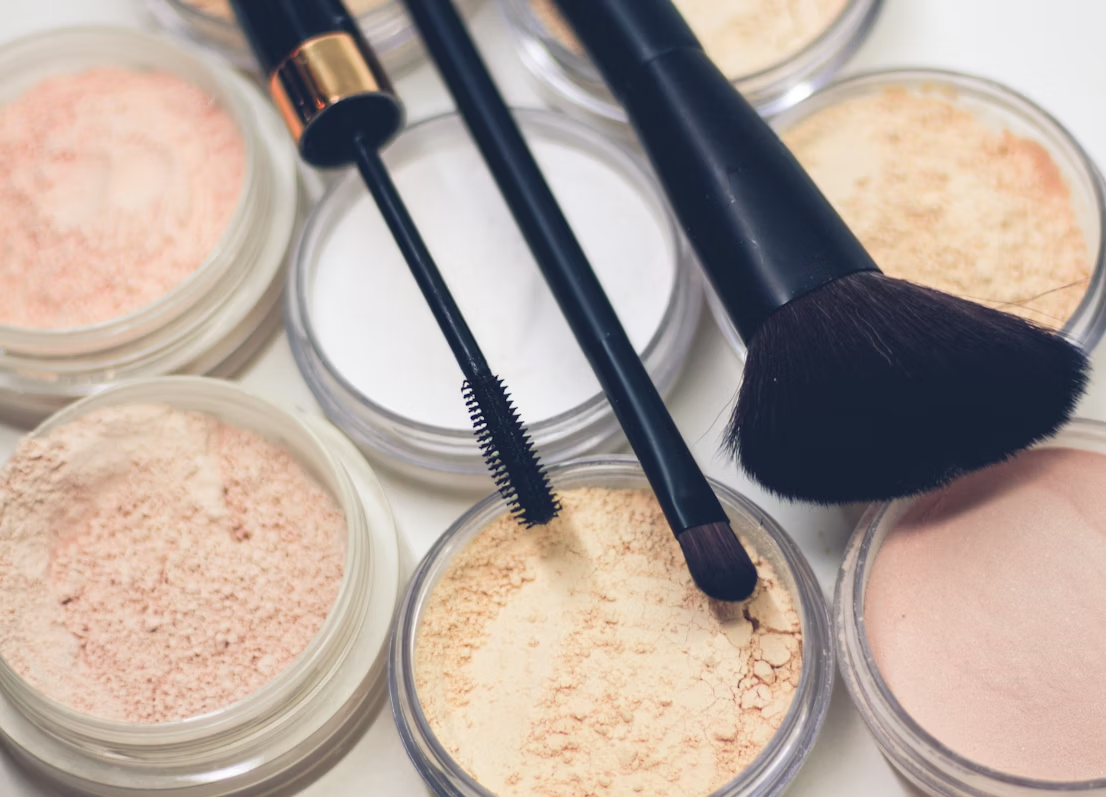
The products of the cosmetics are typically divided into different categories based on their usage and purpose. Base products form the foundation, concealers, and powders are formulated to form a smooth even complexion. These products differ in their formulation to provide a variety of coverage, matte to dewy finishes, and ability to use on many skin types.
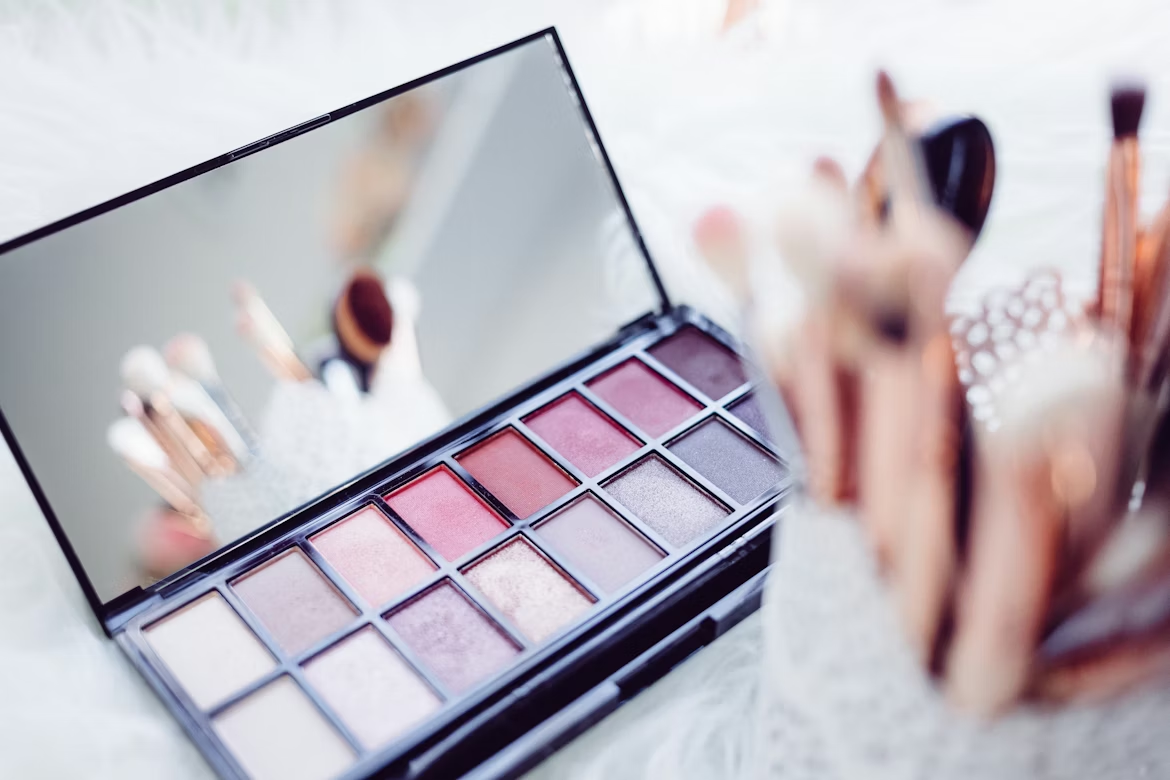
Cosmetic colour products such as lips, blushes and eye shadows are mediums through which one can exercise his/her artistry and experiment with colour. These products enable consumers to improve or change the appearance depending on their mood, occasion or personal style. The face is accompanied with complementary products like bronzers and highlighters to give it depth, warmth, and dimension.
Innovation of products has greatly been enhanced by advances in technology. Mascaras currently have volumising, curling and waterproof properties, the eyebrow products are used to shape the face and create symmetry. In addition to performance and beauty, consumers are becoming more and more concerned with such ethical aspects like cruelty-free, vegan formulations, and even environmentally sustainable packaging.
Modern Shopping Experiences
The manner of acquiring makeups has evolved tremendously as a result of the expansion of online trading. The online shopping sites allow the consumers to access a great variety of products with or without clear descriptions, ingredients lists, customer reviews and video demonstrations. These are resources that can allow a bridge between physical and virtual shopping.
There are even more innovations like virtual try-on and augmented reality, which have boosted online cosmetic retail even more. The tools enable user to view how they will look like when using their products on their skin before purchasing, eliminating doubts and enhancing satisfaction. Online sources also allow making individual recommendations according to the skin type, tone, preferences.
The example of such an e-commerce platform as iShopChangi demonstrates the transformations of modern retail: it focuses on making selections of varying prices and usually accompanied by special deals, user-friendly design, etc. This digital change is an extension of the overall move towards consumer experiences that are based on convenience and, most importantly, are technology- enhanced.
Ingredient Transparency and Responsibility
The modern consumers are more educated and discerning concerning the ingredients in the cosmetics they use. Honesty has taken a new form with people insisting to know what they are putting on their skin. Several of these people are very keen on avoiding ingredients as it includes parabens, sulphates and silicones because they have sensitivities or may like to avoid such ingredients.
Products tested on the dermatologically side and proven to be safe are usually a favorite as they add an element of protection. Concurrently, the buying behaviour has also been affected by environmental awareness whereby most consumers have given more consideration of brands that uphold ethical sourcing and manufacture processes.
The cosmetic sector has reacted by choosing to go greener with their production, waste minimization, and enhancing the visibility of supply chains. These endeavors can be part of a larger trend towards sustainability and responsible consumption, which should align beauty practices with environmental stewardship.
Diversity and Representation in Beauty
The focus of the contemporary beauty industry has been placed on diversity. The brands are broadening their choices of products to suit an extensive range of skin tones, undertones and types. This inclusivity means that more people will have access to the products that best match their distinctive features.
Advertising and marketing representation has also been enhanced and advertisements depict models of different ethnic groups, ages and identity. This change has assisted in transforming the concept of beauty wherein emphasis has been placed on real features and uniqueness instead of being fixated on the adherence to the limited ideals.
Future Innovations in Cosmetics
Both future scientific development and integration of technology are likely to influence the future of cosmetics. New technologies like nanotechnology and biotechnology will probably transform how products are formulated to enable more efficient absorption and targeting benefits to the skin.
Customised cosmetics are also catching up, with research trying to develop products that match the skin chemistry of individuals, and their local climate. Also the addition of skincare benefits to makeup products is being increasingly popular and formulations have been made that are hydrating, contain sun protection factors and also anti ageing.
Conclusion
The cosmetics industry is a vibrant nexus of science, creativity, and expression of culture. Its further development in the future is pegged on various issues like the quality of its products, the transparency of ingredients, ethical production and technological advancement. To consumers, interacting with cosmetics has ceased to be simply a matter of appearance but about quality information choice and value support. Connectedly, make-up is both an instrument of improvement and an expression of uniqueness to an ever-conscious and diverse world.